
Wheel Offset Explained: What the Number Means for Your Car
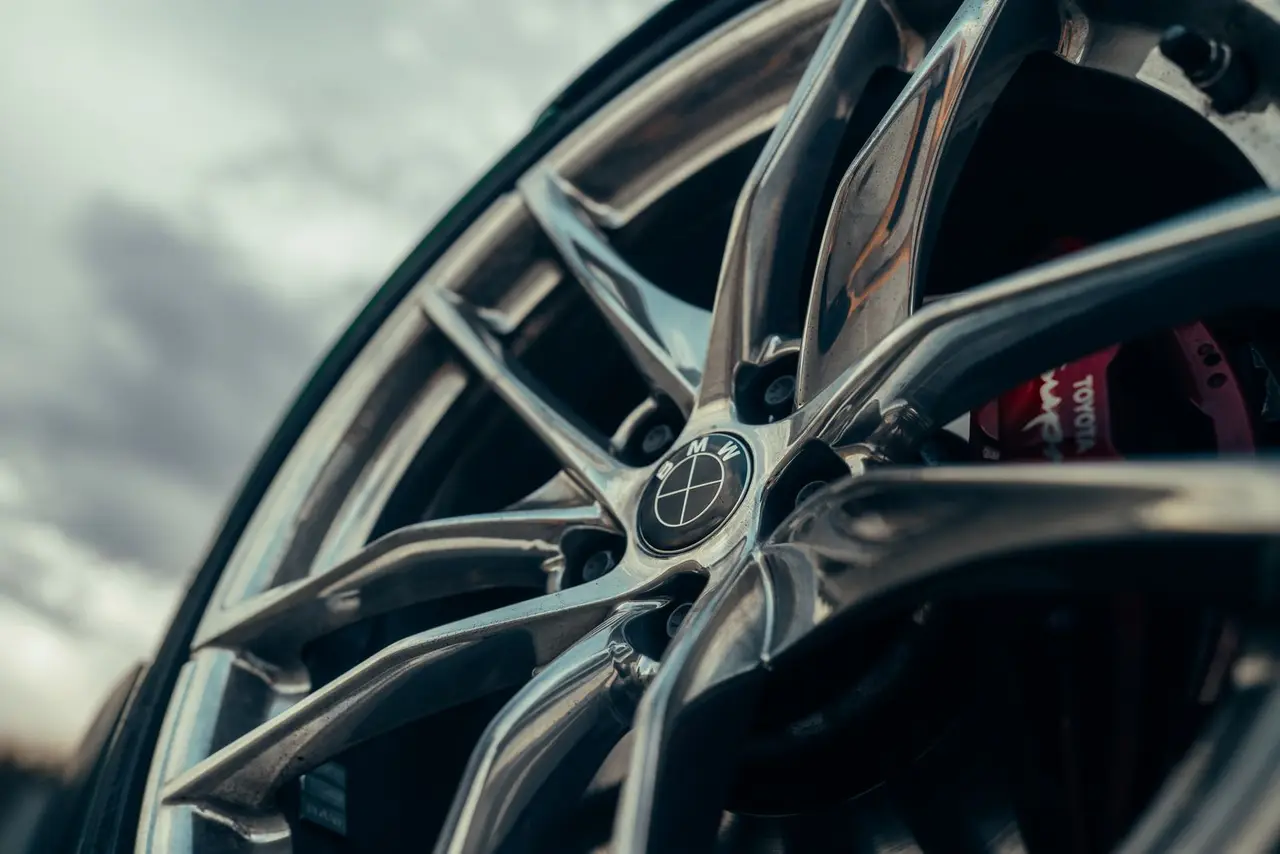
What Is Wheel Offset?
Here is wheel offset explained simply: it is the distance, in millimetres, between the flat mounting face that bolts to your hub and the imaginary centreline running around the middle of the wheel's width. That one number decides whether a new rim clears your brakes, sits flush under the fender or rubs every time you turn into a parking stall.
Offset is usually stamped on the back of the wheel as ET plus a number, such as ET40. ET comes from the German word einpresstiefe. We see offset problems in our NE Calgary bays when people buy wheels online by bolt pattern alone, so here is how it works.
Positive Offset
The mounting face sits toward the outer, street side of the wheel, so the wheel tucks in toward the suspension. Most modern cars, crossovers and front-wheel-drive vehicles use positive offset, often somewhere around +35 to +50 mm.
Negative Offset
The mounting face sits behind the centreline, toward the inside, so the wheel pushes out past the hub. It gives the deep-dish look you see on lifted trucks, and it is where fender rub and extra bearing load come from.
Zero Offset
The mounting face lines up exactly with the centreline. It is common on some older rear-wheel-drive vehicles and a few trucks.
Why Offset Matters on Calgary Roads
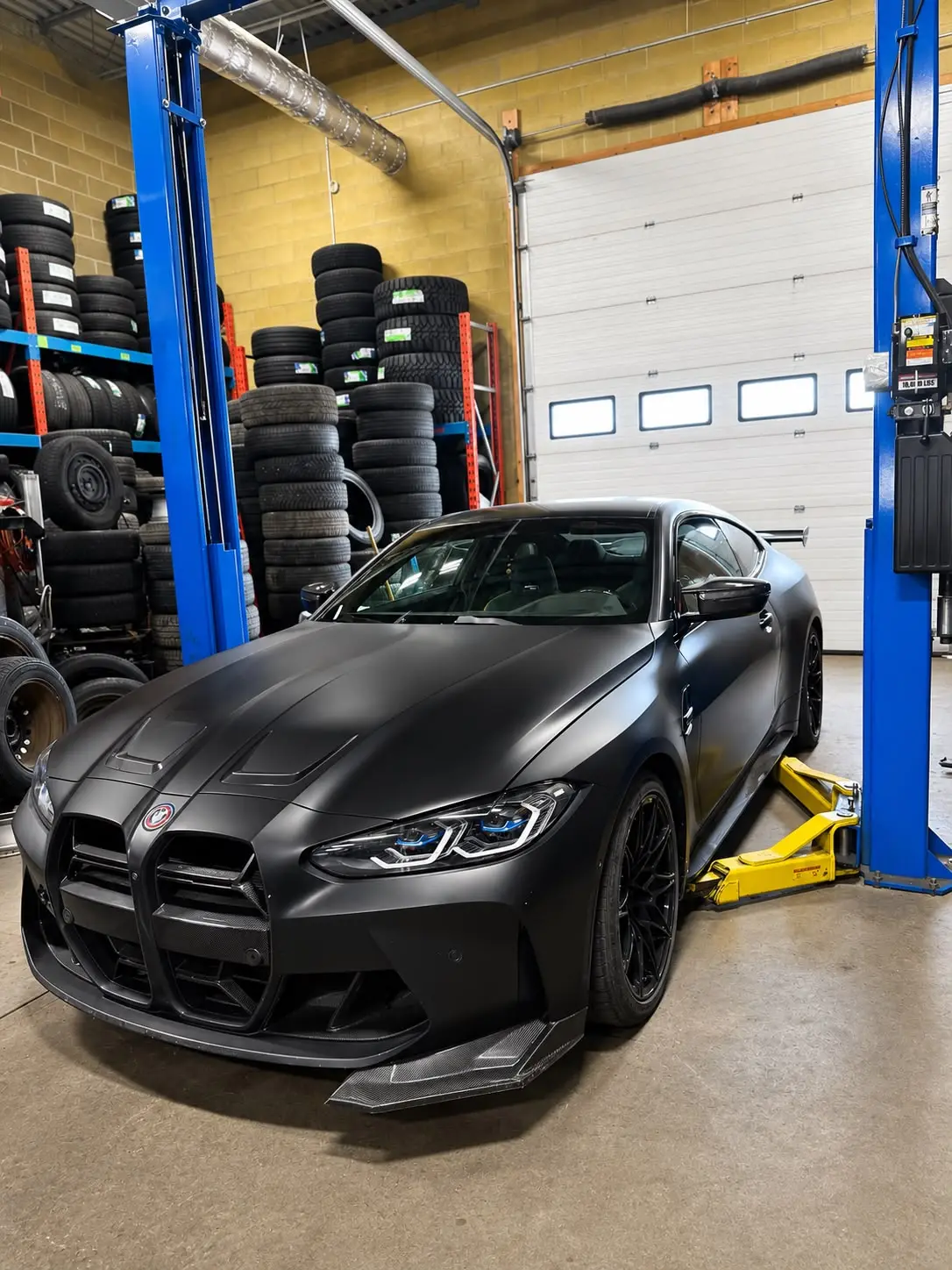
Offset controls three things: clearance, steering feel and load on the wheel bearings. A wheel that sits too far in can touch the strut, spring or brake caliper. Big brake kits, like those on a BMW M4, need extra room, so spoke shape matters as much as the number.
A wheel that sits too far out can rub the fender lip over bumps and at full lock. Here, that means a rub every time you drop into a pothole on Deerfoot or bounce over a frozen snowbank in a parking lot. It also throws more slush and gravel up the side of the vehicle.
There is a quieter effect as well. Moving the wheel outward lengthens the lever acting on the hub, so the wheel bearings carry more load and the steering can feel heavier or tramline more in the ruts that form on Calgary roads in late winter. A few millimetres will not be noticed. A big jump often is.
How Much Can You Change Offset?
For a daily driver on the same width of wheel, staying within about 5 mm of the factory offset is usually trouble-free. Larger changes are possible, but they need a real check of fender, suspension and brake clearance, and they change how the steering feels. Lifted and lowered vehicles are their own case, since the suspension change moves the goalposts.
Spacers can reduce effective offset, but only hub-centric spacers of good quality, fitted with the right hardware and torque, belong on a car. In most cases, buying a wheel with the right offset is the better fix. If you are browsing replica wheels, look for ones built to your factory offset, since they are designed to fit like the originals.
Offset vs Backspacing
Backspacing is the distance from the mounting face to the inner edge of the wheel, usually given in inches in the truck world. Offset measures from the centreline and backspacing from the inner lip, but they describe the same position. Width connects them.
A quick estimate: backspacing equals half the overall wheel width, plus the offset converted to inches. The overall width is usually about an inch more than the listed rim width. An 8-inch wheel at +35 mm (about 1.4 inches) has roughly 4.5 + 1.4 = 5.9 inches of backspacing.
| Offset | Backspacing | |
|---|---|---|
| Measured from | Wheel centreline | Inner edge of the wheel |
| Usual units | Millimetres (ET) | Inches |
| Best for | Comparing wheels of the same width | Checking inner suspension clearance |
| Changes with width? | No | Yes |
Finding Your Factory Offset
Your stock wheels are the baseline. Look on the back of a spoke or inside the barrel for the ET number, alongside the width (such as 7.5J) and diameter. Some owner's manuals and dealer spec sheets list it too. If the car came with winter or aftermarket wheels from a previous owner, do not assume they match the factory spec. Bring one in and we will measure it. Your tire size is on the sidewall; our guide on how to read tire size explains the code.
Offset and Tire Fitment
Offset and tire size work together. A wider wheel at the same offset grows equally in both directions, half toward the suspension and half toward the fender. Add a wider or taller tire and the margins shrink again.
Winter setups are where this gets overlooked. Many drivers go down an inch in rim size for a taller, pothole-friendly sidewall, but the smaller wheel still has to clear the caliper, and steel wheels often come in different offsets from your alloys. A narrower winter tire on a similar or slightly higher offset keeps the tire tucked away from ice build-up in the wheel well. Our winter wheels and tire and rim packages are checked for fit before anything is mounted.
After new wheels go on, if the car pulls or wears tires unevenly, or you changed ride height at the same time, book a wheel alignment. And when new wheels are fitted, have the tires properly mounted and balanced rather than just bolted on; our post on tire installation vs mounting explains the difference. If you are not sure what you have, contact us and we will check it.
We Can Help You Get the Offset Right
Shopping for new rims? Call (587) 894-3516 with your vehicle, or bring a wheel to 227 41 Ave NE. We check bolt pattern, centre bore, width and offset together before we order.
FAQ: Wheel Offset
What does ET mean on a wheel?
ET is the wheel's offset in millimetres, from the German word einpresstiefe. It is stamped on many wheels, for example ET40. A higher ET means the mounting face sits further toward the outside, so the wheel tucks in under the fender. A lower or negative number pushes the wheel out toward or past the fender.
Is higher or lower offset better?
Neither is better on its own. The right offset is the one that suits your vehicle, wheel width and tire size. For most daily drivers, staying close to factory offset gives the best mix of clearance, steering feel and bearing life. Much lower can cause fender rub; much higher can hit the suspension or brakes.
How much offset difference is acceptable?
As a general guide, about 5 mm either way from stock is usually fine on the same wheel width. Bigger changes need a proper check of fender, suspension and brake clearance, especially if the width or tire size is changing too. We confirm offset with you before ordering wheels so there are no surprises at install time.
Will the wrong offset damage my car?
It can. A wheel that sits too far out can rub the fender, add load to the wheel bearings and change the steering feel. One that sits too far in can hit the strut, spring or caliper. Even light rubbing will cut into a tire's sidewall over time, so any new rubbing noise should be checked right away.
Do I need spacers if my offset is too high?
Spacers push the wheel out and lower the effective offset. They can work when they are hub-centric, correctly sized and fitted with proper hardware and torque. Cheap or badly fitted spacers are a common cause of vibration and loose wheels. Usually, choosing a wheel with the correct offset from the start is the better solution.
Is offset the same as backspacing?
No, but they describe the same thing from different reference points. Offset is measured from the wheel's centreline, usually in millimetres. Backspacing is measured from the inner edge of the wheel, usually in inches. On wheels of the same width, a higher offset always means more backspacing.
Do winter wheels need the same offset as my summer wheels?
Not exactly, but they should be close and must clear your brakes. Many steel winter wheels use a slightly different offset from factory alloys, and that is fine if the tire clears the suspension and fender at full lock. We check each winter package against your vehicle's specs before mounting tires.
Does changing offset affect alignment?
It does not change the alignment angles themselves, but it changes steering geometry, including scrub radius. A big change can make steering heavier or more sensitive to ruts. If the car pulls or wears tires unevenly after new wheels, or you lifted or lowered it at the same time, book an alignment.