
TPMS Sensor Service in Calgary
- 15+ Years of Tire Experience
- Open Mon–Sat
- 4.8★ Google Rating
Sensor Diagnosis, Replacement & Relearn in NE Calgary
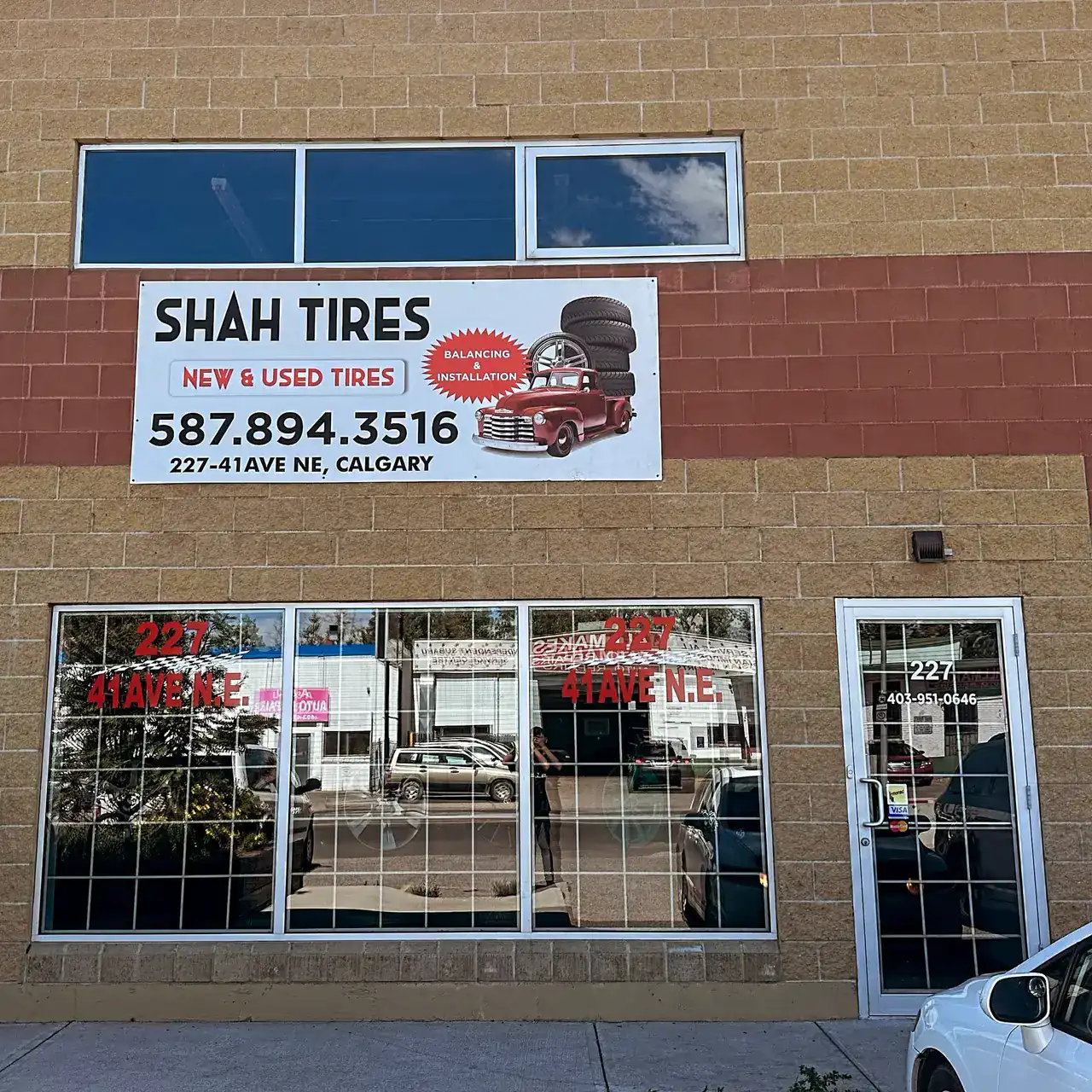
Shah Tires Handles TPMS Sensor Work in Calgary
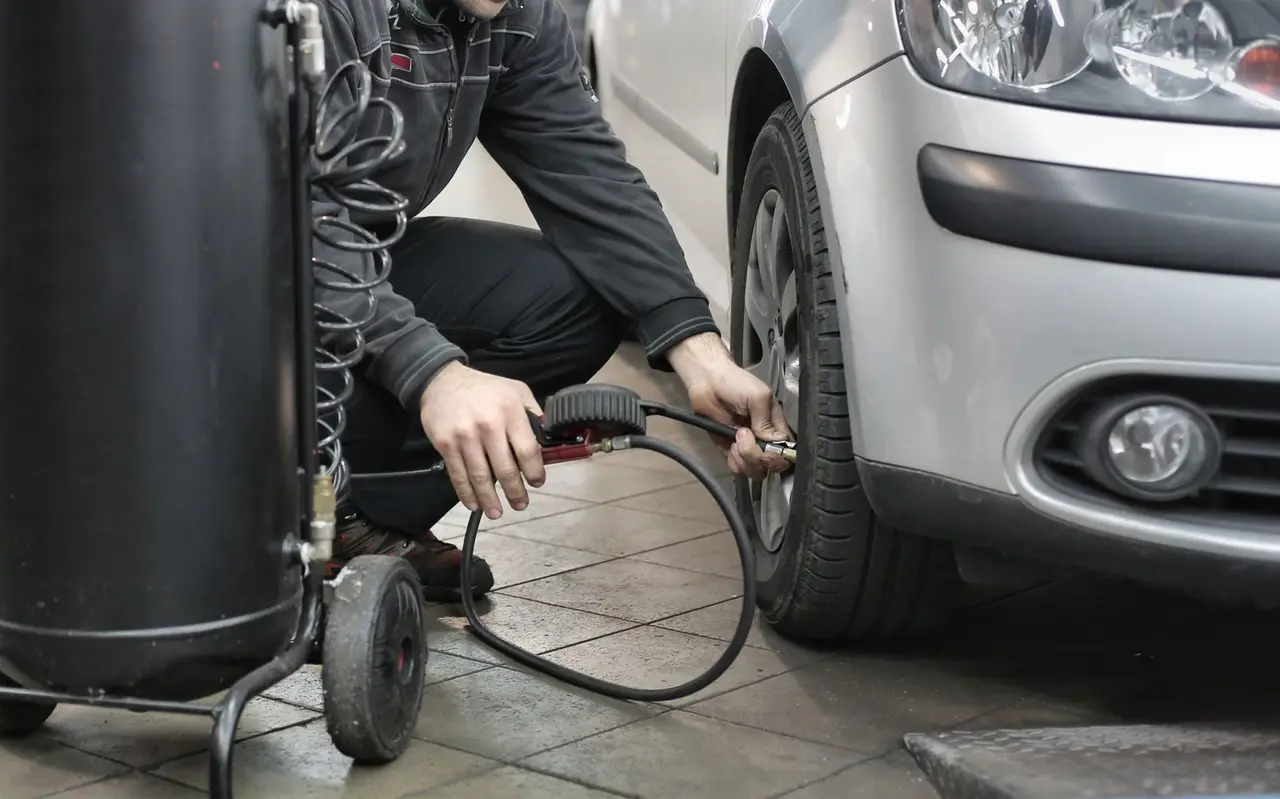
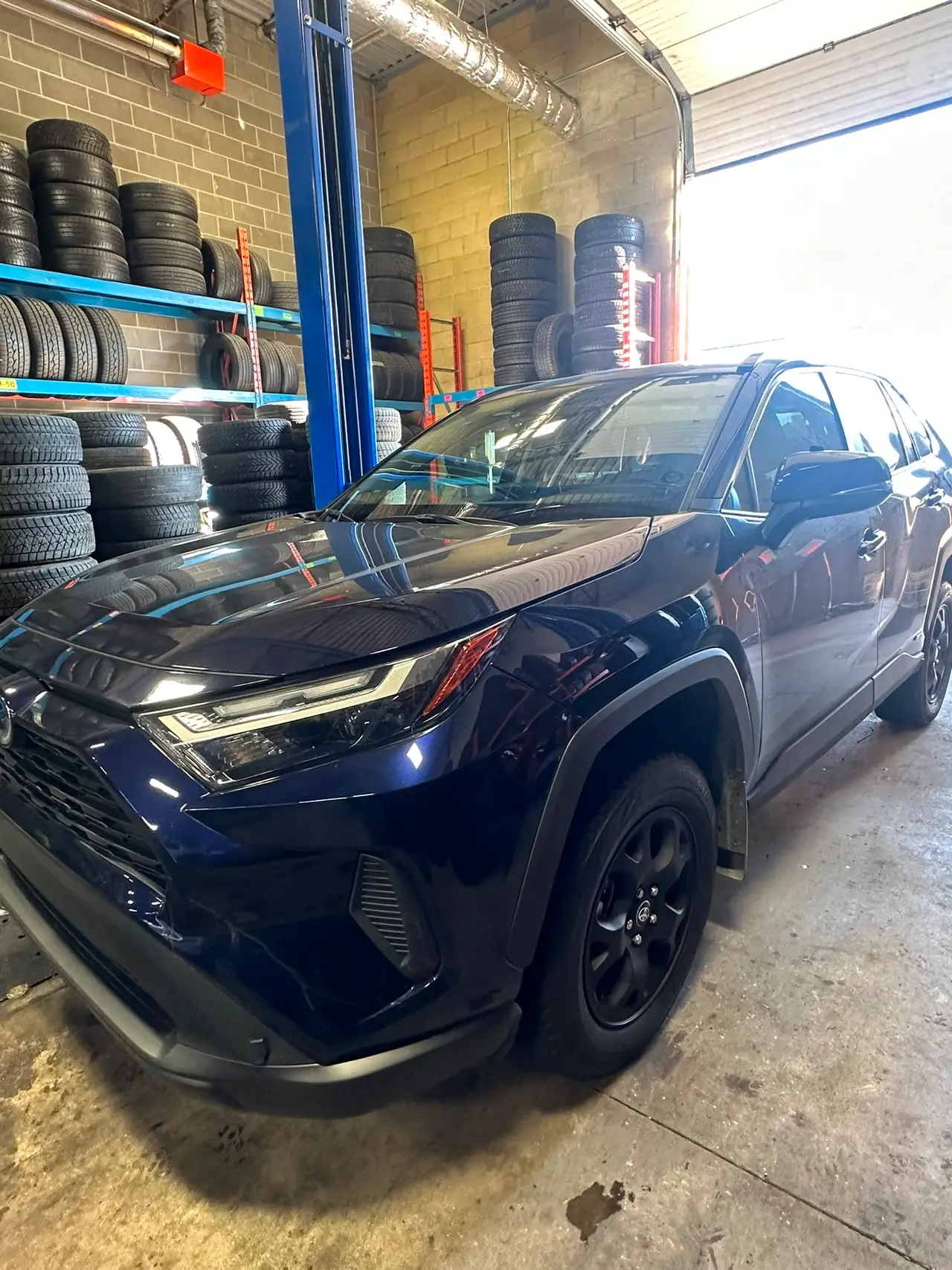
A tire pressure light is the dash warning we get asked about most, and it is not always a low tire. When you need TPMS sensor service in Calgary, our bay at 227 41 Ave NE scans every sensor on the car, tells you which one has stopped talking, replaces or installs sensors where needed, and runs the relearn so the system reads all four corners again. A TPM sensor, TPMS sensor and TPM tire sensor are three names for the same small part that lives inside your wheel.
How to Book Your TPMS Check
Call (587) 894-3516 with your year, make and model, or just drive in Monday to Saturday between 9 and 6. Telling us the vehicle ahead of time lets us confirm the right sensor before you arrive, which matters for less common models and for trucks like the Ram 1500 and Ford F-350 that we see every week. We are a few minutes from McKnight Blvd, Edmonton Trail and Deerfoot Trail.
When Your TPMS Needs Attention
Most drivers come to us in October, when the first hard frost turns on the light for the first time since spring. Others come after a seasonal swap, when a set of winter wheels without sensors leaves the warning glowing all winter. Sensors are battery powered and the batteries are sealed inside, so on older vehicles a flashing light is often just age catching up. Road salt, pothole hits on Deerfoot and a careless tire change can all end a sensor early.
Signs You Need TPMS Service:
- The TPMS light flashes, then stays on: a sensor is not reporting, usually a dead battery or a broken sensor.
- The light stays on after your tires are topped up: the car cannot see one of the sensors, or a relearn was skipped.
- The warning came on right after a changeover: your other set of wheels may have no sensors at all.
- One tire reads zero or a strange number on the dash: that sensor has failed or is damaged.
- A cracked or corroded valve stem: salt eats the valve nut and seal, and the tire starts leaking.
- You just bought new wheels: they need sensors fitted and registered before the system works.
Need TPMS Sensor Service in Calgary?
Bring it in and we will find out exactly why the light is on.
Mon–Sat: 9:00 AM – 6:00 PM · Sun: Closed
We are at 227 41 Ave NE, just east of Centre St N. Tell us your vehicle when you call and we will check sensor availability first.
What Is TPMS and How Does It Work?
TPMS stands for tire pressure monitoring system. It is there to warn you when a tire is well below its proper pressure, long before you would notice by looking. There are two kinds. Direct TPMS uses a battery-powered sensor inside each wheel, usually built onto the back of the valve stem, that measures real pressure and radios it to the car. Indirect TPMS has no sensors in the wheels and instead uses the ABS wheel-speed sensors to spot a tire that is spinning slightly faster because it is low. Most of the trucks, SUVs and cars we see, from RAV4s to Teslas to Escalades, use direct sensors.
How We Go About Replacing a TPMS Sensor
- Scan every sensorOur tool reads each sensor ID, battery status and pressure, so we only replace the part that has actually failed.
- Match the partThe new sensor is matched to your make, model, year and radio frequency before any tire comes off.
- Break the bead carefullyThe tire is unseated away from the valve so the bead cannot strike and crack the sensor body.
- Fit the sensorThe sensor goes in with fresh valve hardware, and the nut is torqued to spec, not cranked down.
- Remount and balanceThe tire goes back on, gets balanced and is set to the pressure on your door placard.
- Relearn and confirmWe register the new ID with the vehicle and check that the light is out and every position reads correctly.
What Is a TPMS Relearn?
Every direct sensor sends its own ID. Your car needs to know which IDs belong to it and, on many models, which corner each one sits on. A TPMS relearn teaches it. Some vehicles relearn on their own after a short drive, some need a stationary procedure through the dash controls, and others need a tool that writes the IDs through the diagnostic port. We run whichever method your vehicle calls for, so you do not drive away wondering if the light will clear.
Can You Replace a TPMS Sensor Yourself?
Technically, if you have a tire machine, a sensor scan tool and the right relearn procedure. In practice, replacing a TPMS sensor means dismounting the tire, and that is where most sensors get broken. A bead breaker in the wrong spot snaps the sensor body, and an over-tightened valve nut cracks it. Without a scan tool you also cannot confirm the new sensor is programmed. For most drivers the job is quicker and cheaper done once, properly, in a shop.
How Much Does a TPMS Sensor Cost in Calgary?
The price depends mostly on the sensor your vehicle needs, since parts differ by make, model and year. Labour depends on how many sensors are being replaced and whether the tires are already off the rims, for example during a tire installation. The relearn is part of getting the system working. If only a valve core or seal has failed, a service kit can be enough, which costs less than a whole sensor. Prices exclude GST.
| TPMS service pricing | Price |
|---|---|
| TPMS sensor: supply & install (per sensor) | Call for today's price |
| TPMS relearn / programming | Call for today's price |
| TPMS service kit (seals, nut, core) | Call for today's price |
Prices in CAD, before GST. Tire size, rim size and vehicle affect the final price.
What Our TPMS Sensor Service Includes
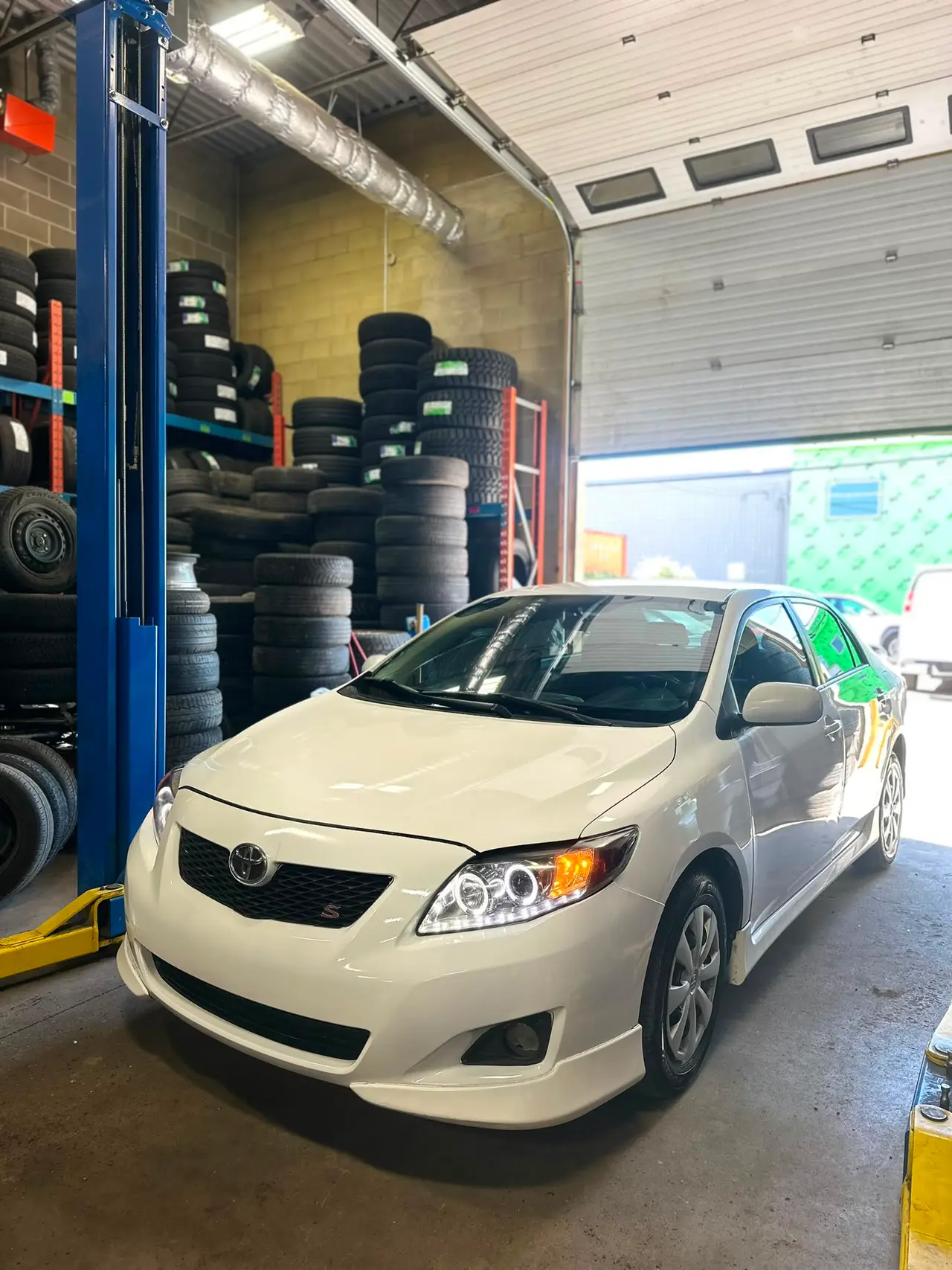
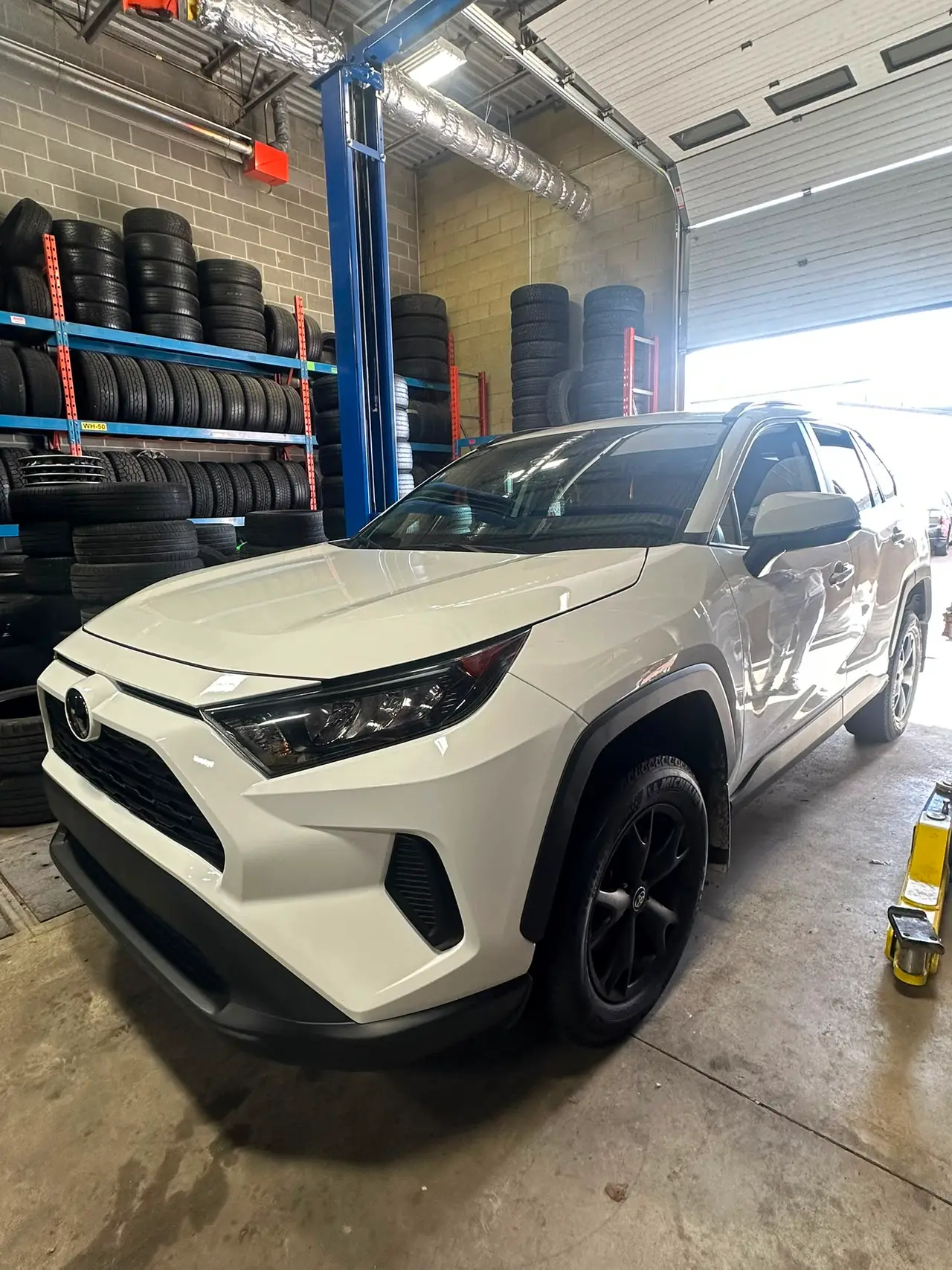
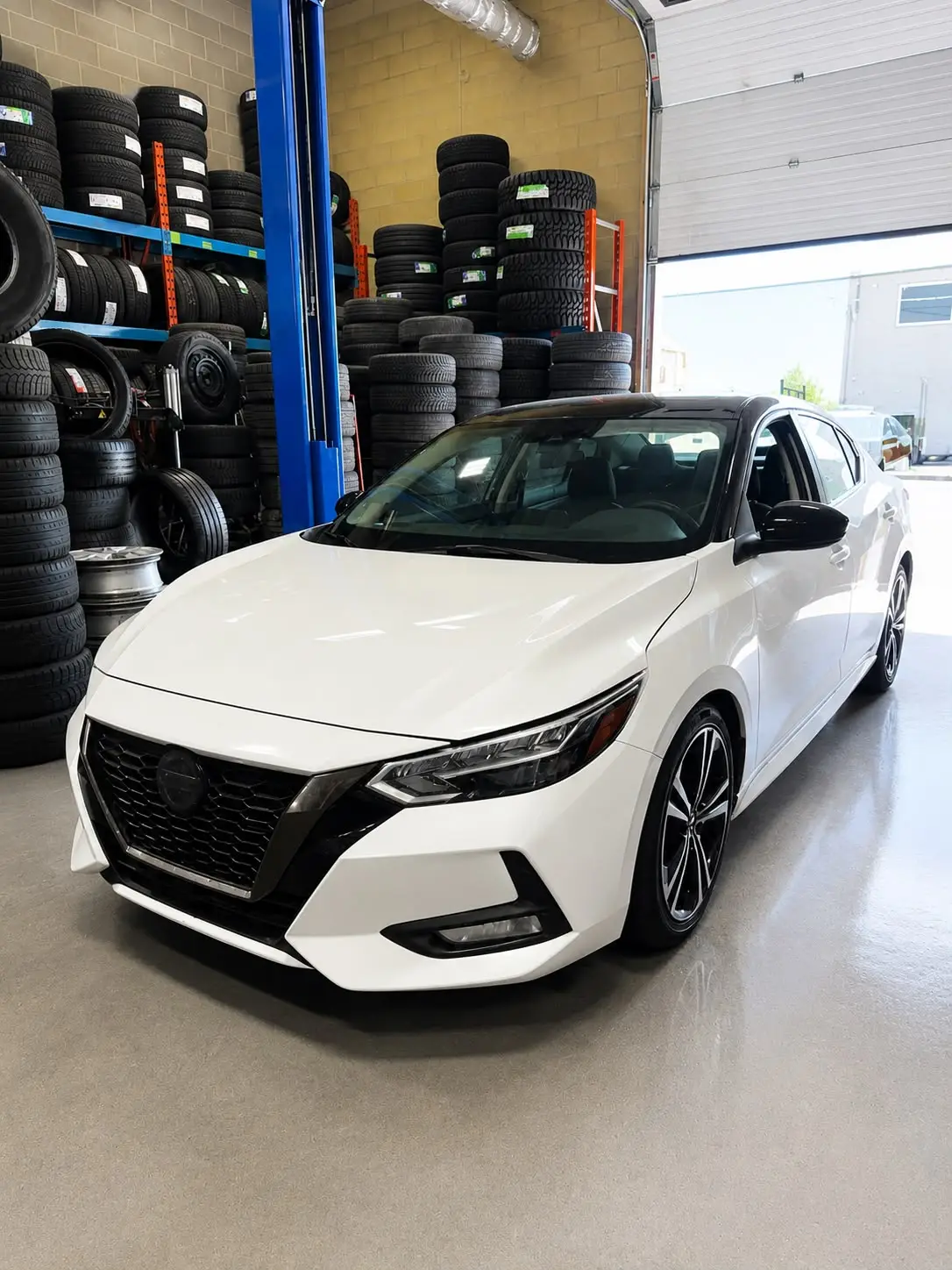
Whether you need one sensor or a full set for a winter package, every TPMS job at Shah Tires covers the same checks:
- A scan of all sensors, including battery status and pressure readings
- A check of the valve stems, nuts and seals for salt corrosion
- The correct sensor for your make, model, year and frequency
- Careful dismount and remount so the new sensor is not damaged
- New valve hardware, torqued to spec
- Wheel balance after the tire goes back on
- Pressures set cold to your door placard
- Relearn and a final scan to confirm the light is out
A TPMS Job Done Start to Finish
A new sensor does nothing if the car cannot see it. Every TPMS visit covers the whole system, not just the part:
Full sensor scan
Valve & seal check
Matched sensor
Careful mount & balance
Pressure set to spec
Relearn & verify
Hit a Pothole and Now the Light Is On?
Spring pothole season on Deerfoot, Memorial and Stoney Trail is hard on everything inside the wheel. A hard hit can bend a rim, break the bead seal or crack a sensor, and all three can bring on the warning. If the light came on after an impact, check the tire before driving far. Then bring the car in: we will look at the tire, the rim, the balance and the sensor, and tell you honestly what needs fixing and what can wait. There is no plan to claim; we simply inspect and explain.
Need New Tires or Wheels Too?
Adding sensors is easiest when the tires are already coming off. Pair your TPMS work with:
Tire Troubleshooting
Repair & Maintenance
Leaking valve stems, corroded valve nuts and slow leaks that keep tripping the tire pressure light.
Installation
Sensors fitted when new tires or wheels go on, then balanced and relearned in the same visit.
Inspection
Sensor battery status, tread depth, age and sidewall damage checked while the car is in the bay.
Why Calgary Drivers Trust Shah Tires with TPMS
Plenty of TPMS trouble starts with a rushed tire change: a bead that hit a sensor, a valve nut over-tightened, a relearn skipped. With over 15 years of tire experience we work around sensors every day and know where they break. That care is part of why customers rate us 4.8★ across more than 232 Google reviews. We accept cash, debit, e-Transfer and credit cards.
Why the TPMS Light Comes On in Calgary Cold
Tire pressure falls roughly 1 psi for every 5 to 6°C drop in temperature. Set your tires in a warm garage at 20°C, park outside at -25°C, and by morning they can be low enough to trip most systems. Chinooks do the reverse, pushing pressures up, and the next cold front drops them again, so the light can come and go for days. Check pressures cold, first thing in the morning, and fill to the door placard. If the light goes out after a few kilometres, the sensors are fine. More on that in our TPMS light in cold weather guide.
Solid Light or Flashing Light?
| What you see | What it usually means | What to do |
|---|---|---|
| Solid light | At least one tire is under-inflated | Check and top up pressures; look for a nail or leak |
| Flashes for about a minute, then stays on | A sensor is not reporting | Have the sensors scanned; a battery or sensor may have failed |
| On only on cold mornings | Pressure is sitting close to the warning threshold | Top up to placard pressure while cold |
| On right after a changeover | Missing sensors or a relearn is needed | Fit sensors or run a TPMS relearn |
TPMS Sensors for Winter Tire Sets
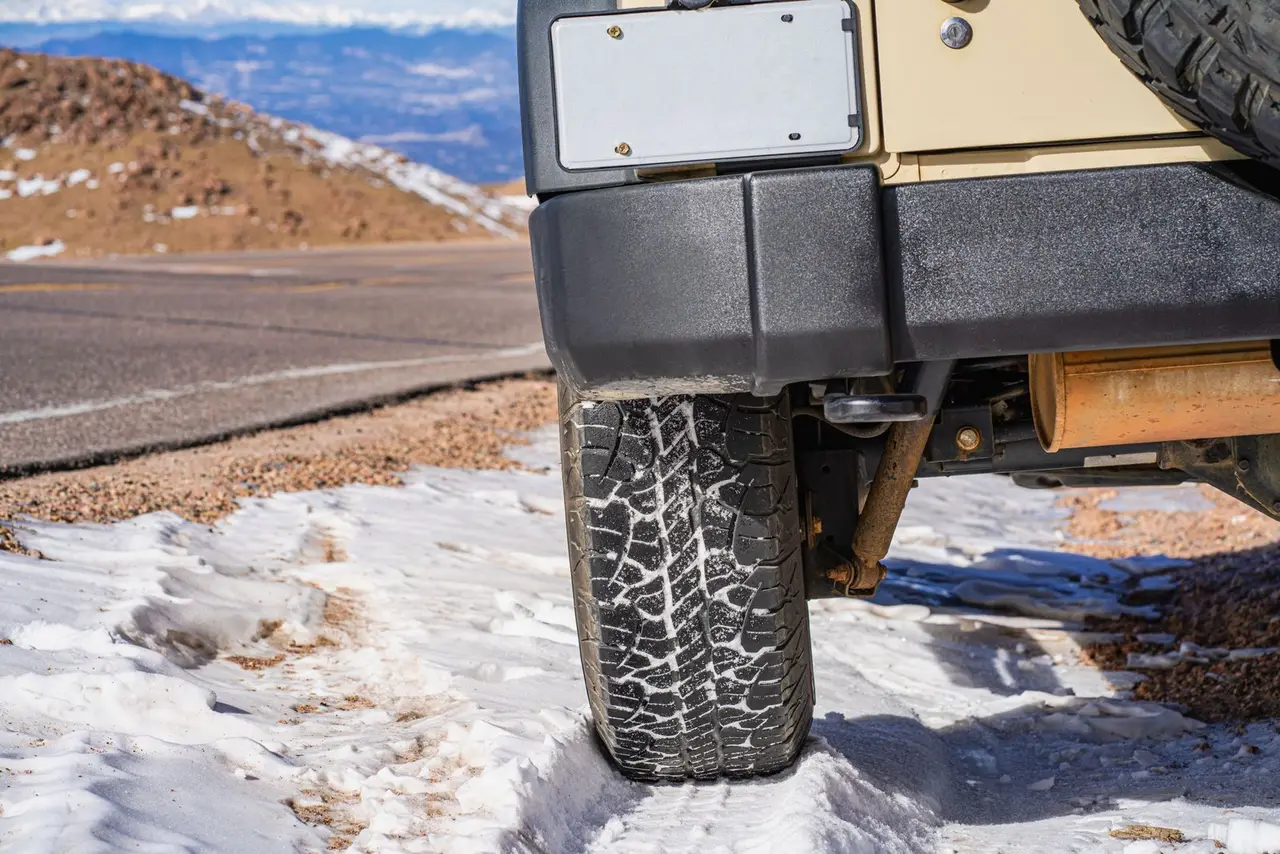
If you run a separate set of winter tires on their own rims, those rims need their own sensors for the system to work from November to May. Without them the light stays on all winter, and you lose the early warning if a tire starts leaking on a -30°C night on Stoney Trail. It is easiest to add sensors when the winter tires are being mounted. Our tire change in Calgary page explains how sensors fit into each seasonal swap, and slow leaks are covered on our tire repair page.
How Long Does TPMS Sensor Replacement Take?
A single sensor usually takes about 30 to 45 minutes, including dismounting and remounting the tire, balancing it and running the relearn. A full set of four takes longer, but it is efficient to do while the tires are already off, for example when winter tires go onto a new set of rims. If your vehicle needs a less common part, we will tell you when it will be ready. Calling (587) 894-3516 with your make, model and year lets us check ahead.
TPMS After a Rotation or Alignment
On many vehicles the sensors simply move with the wheels and the car sorts itself out. On models that display pressure by position, a tire rotation means the car needs to relearn which sensor sits where, or the dash will show the wrong corner as low. We run that relearn as part of the rotation. A wheel alignment does not affect the sensors. If the light has been flickering, ask us to scan them at your next visit.
Financing Available
Adding new tires or a winter wheel package with sensors? Financing and payment plans are available, subject to approval. Ask us for current options.
Frequently Asked Questions
How do I do a TPMS reset?
Some vehicles relearn on their own after a short drive, others need a button sequence or a scan tool. If the light stays on after a TPMS reset attempt, bring the car in and we will check the sensors.
What does a flashing TPMS warning light mean?
A solid TPMS warning light usually means low pressure. A light that flashes for about a minute and then stays on usually means a sensor or system fault. Check your pressures first, then have the system tested.
Why does my tire pressure light come on when it is cold?
Cold air takes up less space, so tire pressure drops about 1 psi for every 5 to 6°C the temperature falls. On a Calgary morning at -25°C, tires set in a warm garage can drop enough to trigger the warning. Top them up to the door placard pressure while cold. If the light stays on after that, bring the car in for a scan.
How long do TPMS sensors last?
Most sensors have a sealed battery that typically lasts several years, often somewhere around five to ten depending on the sensor and how much the vehicle is driven. When the battery runs out, the whole sensor is replaced because the battery cannot be swapped. Road salt corrosion and pothole impacts can shorten a sensor's life in Calgary.
Can I drive with the TPMS light on?
You can drive carefully to check your pressures, but do not ignore it. A solid light means at least one tire is low, and driving on an under-inflated tire wears it fast and can damage the sidewall. A flashing light means a system fault, so the car cannot warn you about a real leak until it is fixed.
Do I need TPMS sensors in my winter tires?
If your winter tires sit on their own rims and your vehicle uses direct TPMS, those rims need sensors for the system to work. Without them, the warning stays on all winter and you lose the early warning of a leak. The simplest time to add sensors is when the winter tires are being mounted on the rims.
What is a TPMS relearn and do I need one?
A TPMS relearn teaches your vehicle the IDs of its tire pressure sensors and, on some models, their wheel positions. You need one after replacing a sensor, after fitting a new set of wheels with sensors, and on some vehicles after a rotation. Depending on the car, it is automatic, a stationary procedure, or done with a scan tool.
Is a TPM tire sensor the same as a TPMS sensor?
Yes. TPM sensor, TPM tire sensor and TPMS sensor all describe the same part: a small battery-powered unit inside the wheel, usually attached to the valve stem, that reports the pressure in that tire to your car. Parts are specific to make, model, year and radio frequency, so we match yours before installing anything.
Can a TPMS sensor be repaired instead of replaced?
Sometimes. If the problem is a leaking valve core, a worn seal or a corroded valve nut, a service kit can fix it without replacing the sensor. If the battery is dead or the sensor body is cracked, it has to be replaced, since the battery is sealed inside. We check which situation you have before recommending anything.
Why is my tire pressure light on after new tires?
The usual reasons are a sensor damaged during the tire change, a relearn that was not completed, or new wheels fitted without sensors. Pressures set in a warm shop can also drop overnight in the cold. We scan the sensors, check each tire and run a relearn if it is needed to get the light off.