
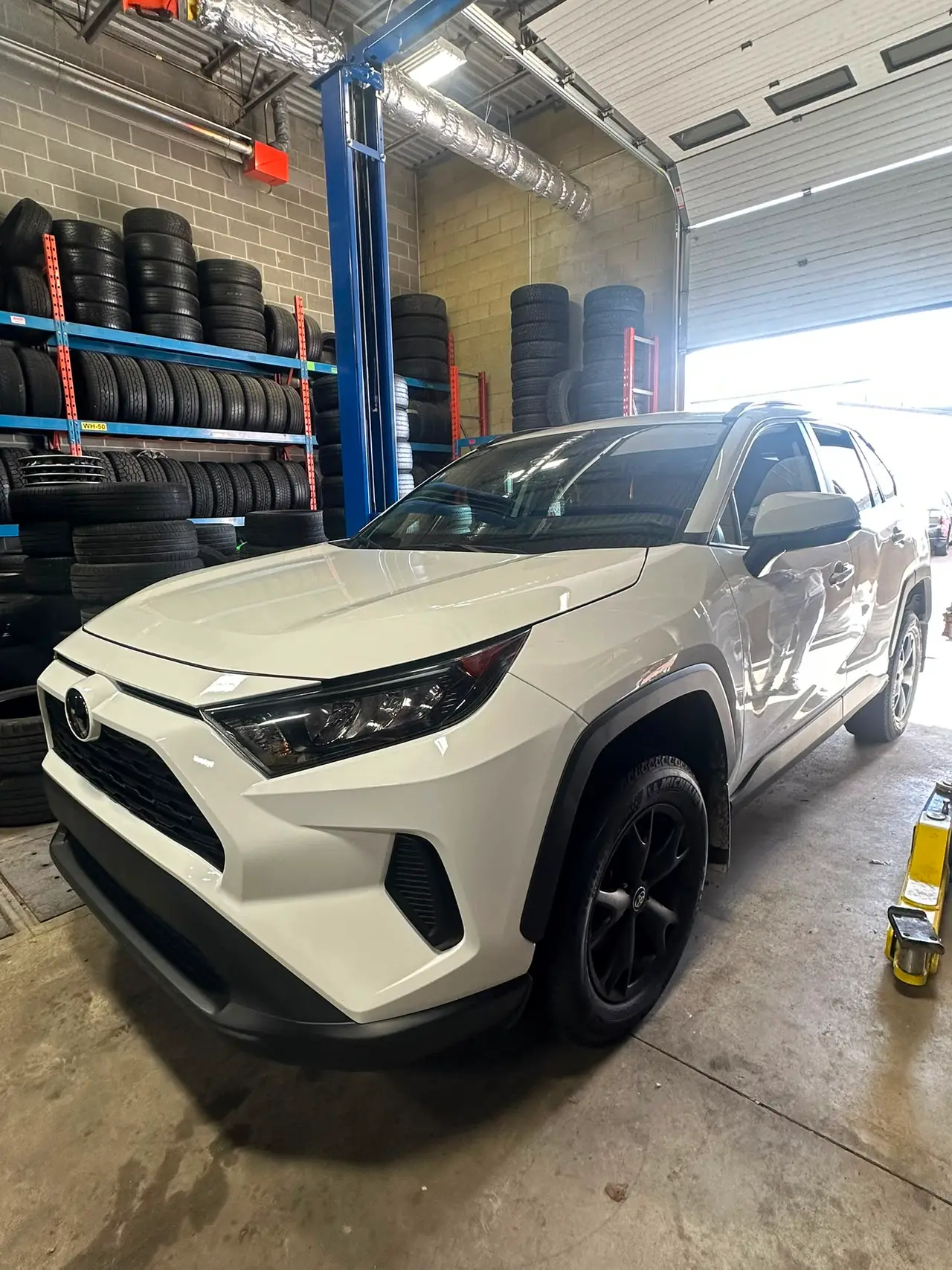
Tire Change in Calgary
- On-Rim & Off-Rim Swaps
- Open Mon–Sat, 9 to 6
- 4.8★ Google Rating
Seasonal tire changeovers near Deerfoot, McKnight and the airport
Shah Tires Handles Every Tire Change in Calgary, Spring and Fall
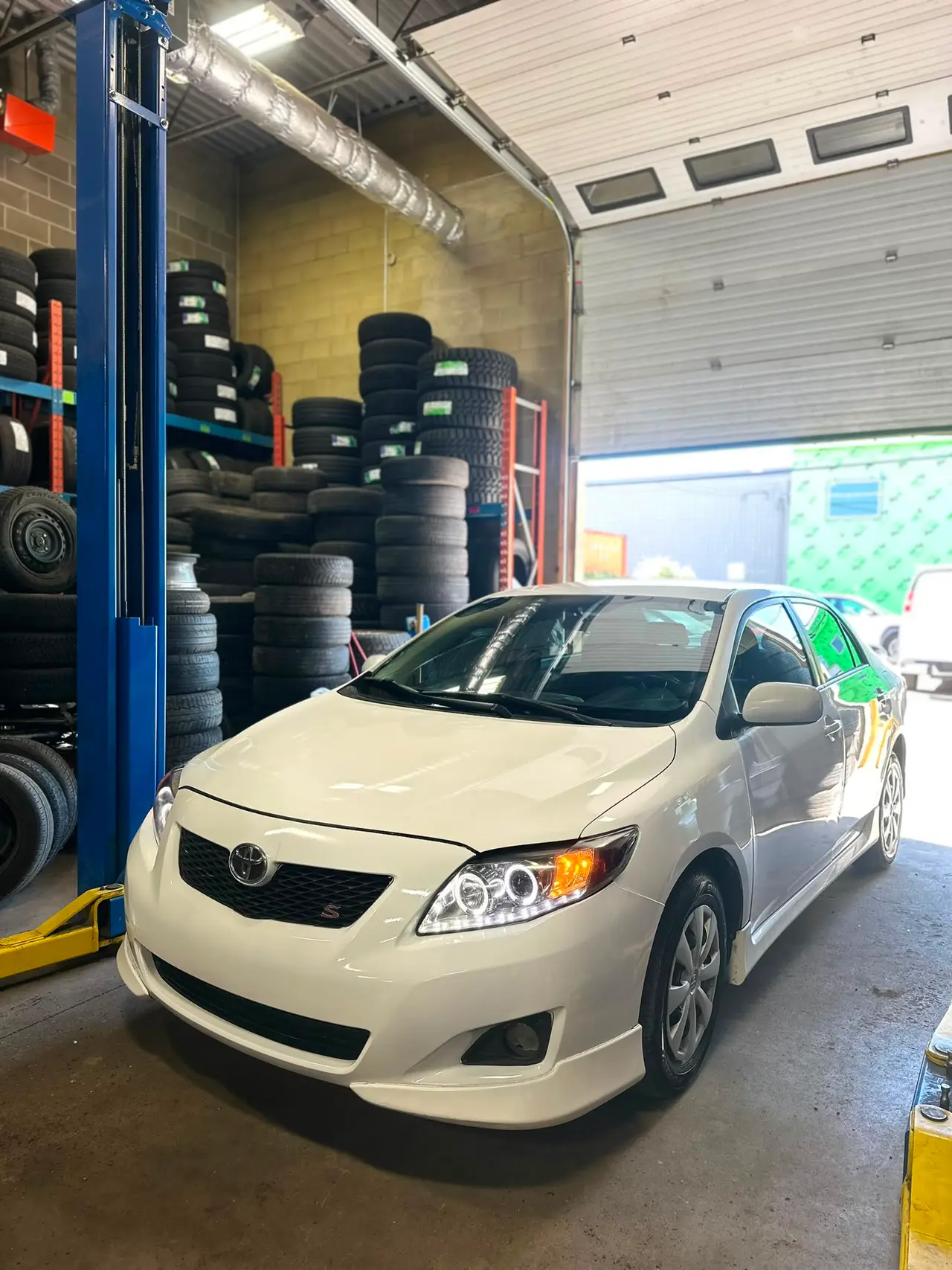
A tire change in Calgary happens twice a year for most drivers, and the timing is harder to call here than almost anywhere in Canada. Snow can land in September, a Chinook can melt it by the weekend, and a May storm still catches people on summer rubber. At our shop at 227 41 Ave NE, we do quick on-rim swaps when your seasonal tires sit on their own wheels, and full off-rim changeovers with mounting and balancing when they do not.
Either way, every tire gets a look before it goes back on the road: tread depth, sidewall cracks, bulges, nails and the DOT date code. A changeover is the one time each season that all four tires are off the car at once, so it is the best moment to catch a problem before it strands you on Stoney Trail in January.
How to Book Your Changeover
Call (587) 894-3516 and tell us two things: your tire size, and whether your other set is already on rims. That tells us how much bay time to plan. You can also drive in Monday to Saturday, 9 AM to 6 PM. If you are searching "tire change near me" from Renfrew, Mayland Heights or Winston Heights–Mountview, we are a short hop off 32 Ave NE and Edmonton Trail.
Bring your off-season set in the trunk or the truck bed, plus the locking lug key if your wheels have one. If you store tires at home, marking each one with its old position (front left, rear right and so on) lets us rotate them as they go on.
When to Change Winter Tires in Calgary
The rule of thumb at our counter is 7°C. Once daytime highs sit below that most days, all-season and summer compounds stiffen and lose grip, while winter compounds stay soft. In Calgary that usually lands between late September and mid-October. In spring, do not be fooled by the first warm week: Chinooks can push February afternoons past 10°C, and April still dumps heavy, wet snow. Most drivers here keep winters on until overnight lows stay above freezing, often close to the May long weekend. Our winter tire timing guide goes deeper.
Signs It Is Time for a Tire Change
- Daytime highs are staying under 7°C: summer and all-season rubber is losing its grip.
- The forecast shows the first snow: every shop in the city will be full within a day.
- Spring overnight lows are staying above zero: soft winter tread wears fast on warm, dry pavement.
- Your winter tires look worn: tread near 5/32 of an inch has lost much of its snow bite.
- You are planning a trip to Banff or the Rockies: mountain passes can see snow in any month.
- Your insurer offers a winter tire discount: check whether your policy expects the tires on for the whole season.
Need a Tire Change in Calgary?
Open Monday to Saturday, 9 AM to 6 PM. Closed Sunday.
Mon–Sat: 9:00 AM – 6:00 PM · Sun: Closed
Looking for a quick tire swap in Calgary without a long drive across the city? We are at 227 41 Ave NE, a few minutes from McKnight Blvd, Deerfoot Trail and YYC.
On-Rim Swap or Off-Rim Changeover?
The biggest thing that decides how long your tire changeover in Calgary takes, and what it costs, is whether your seasonal tires have their own rims.
| On-rim swap | Off-rim changeover | |
|---|---|---|
| Your setup | Winter and summer tires each on their own wheels | One set of wheels, tires moved between seasons |
| What we do | Take one set of wheels off, bolt the other on | Dismount, mount the other tires on the same rims, balance |
| Balancing | Only if you felt a vibration last season | Always, because the tire has moved on the rim |
| Time in the bay | Shorter | Longer |
| Wear on beads and rims | Minimal | A little every time the tire is mounted |
If you plan to keep your vehicle for a few winters, a second set of wheels turns every future change into the quick version. Steel winter wheels are the practical choice, and we keep used rims in many bolt patterns; see our winter wheels page.
How to Change a Tire
A seasonal change in the bay and a flat on the shoulder are different jobs, but the basics of getting a wheel off and on safely are the same. If you ever have to do it yourself, here is the short version.
Changing a Tire Safely at the Roadside
- Get off the roadPull well onto the shoulder or into a parking lot, on flat and firm ground. Hazards on, parking brake set.
- Loosen before liftingCrack each lug nut a half turn while the tire is still on the ground so the wheel does not spin.
- Jack at the right pointUse the lift point in your owner's manual. Never put any part of your body under a car held only by a jack.
- Swap the wheelRemove the nuts, pull the wheel straight off and hang the spare on the studs.
- Snug in a star patternHand-tighten in a criss-cross order, lower the car, then tighten firmly in the same pattern.
- Get it checkedCheck the spare's pressure and have the lug nuts torqued properly as soon as you can.
For a full walk-through, including what to keep in the trunk, read our guide to changing a flat tire.
Changing Tires at Home vs at a Shop
Plenty of Calgarians swap their own wheels in the garage, and on-rim sets make that possible. What a driveway swap cannot do is mount tires on rims, balance them, torque the lug nuts to a measured spec, run a TPMS relearn, or spot a sidewall crack under good light. If you only own one set of rims, the job needs a tire machine and a balancer, full stop.
The Risks of a DIY Tire Swap
- Loose or over-tightened lug nuts: under-torqued wheels can work loose; over-torqued ones stretch studs and warp hubs.
- Scissor jacks on ice: a jack on a sloped, icy driveway can slip with the car on it.
- Missed damage: a bulge or a nail on the inside edge is easy to miss in a dim garage at -15°C.
- Wrong positions: without markings, tires end up in the same spot every season and wear unevenly.
- Pressure set cold or warm by mistake: tires filled in a heated garage read low the next morning.
How Much Does a Tire Change Cost in Calgary?
Three things set the price: whether the job is on-rim or off-rim, the size of your wheels, and whether your TPMS sensors need attention. On-rim swaps cost less because there is no mounting or balancing. Off-rim changeovers include both, and larger or low-profile tires take longer on the machine. Prices exclude GST, and we take cash, debit, e-Transfer and credit cards.
| Seasonal changeover pricing | Price |
|---|---|
| Swap tires already on rims (set of 4) | Call for today's price |
| Off-rim changeover: mount & balance (set of 4) | Call for today's price |
| TPMS relearn (if required) | Call for today's price |
Prices in CAD, before GST. Tire size, rim size and vehicle affect the final price.
See Our Other Services
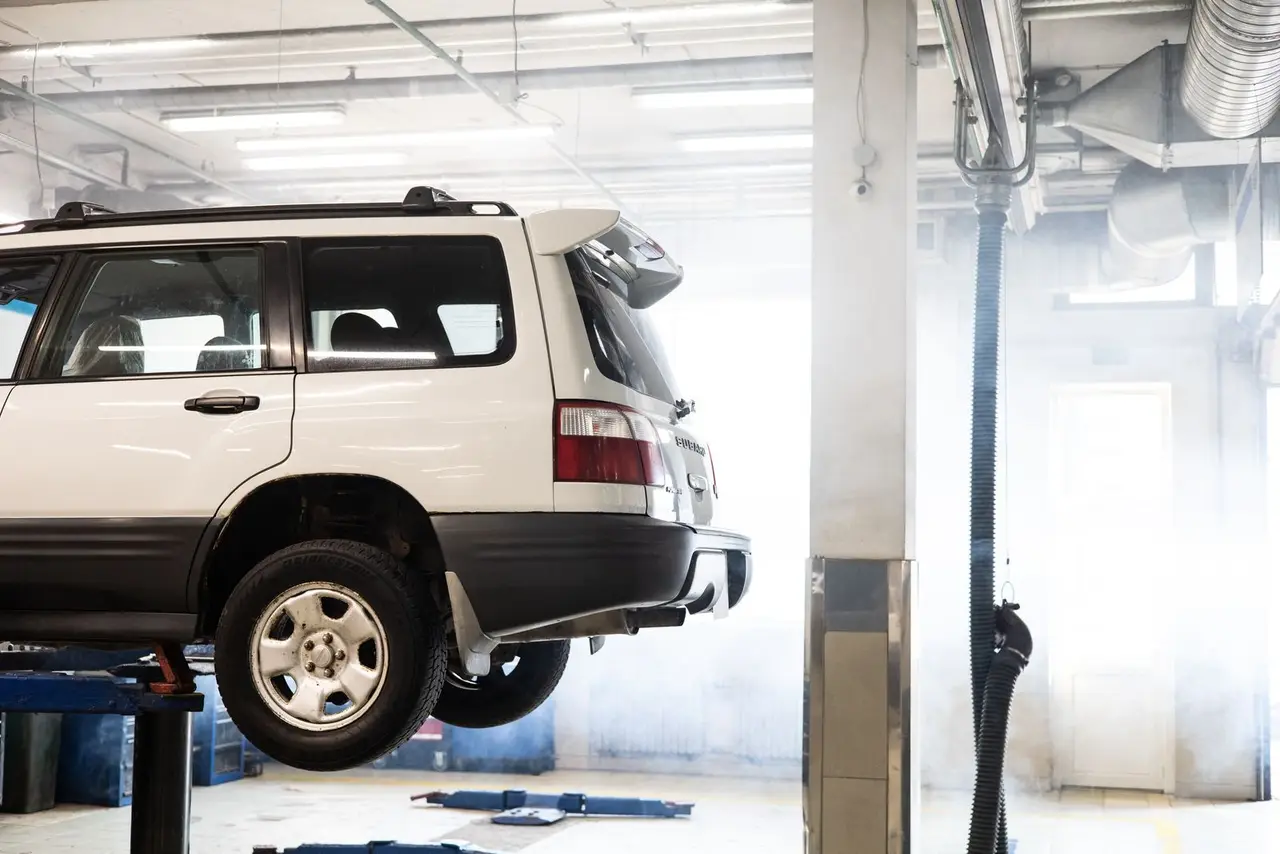
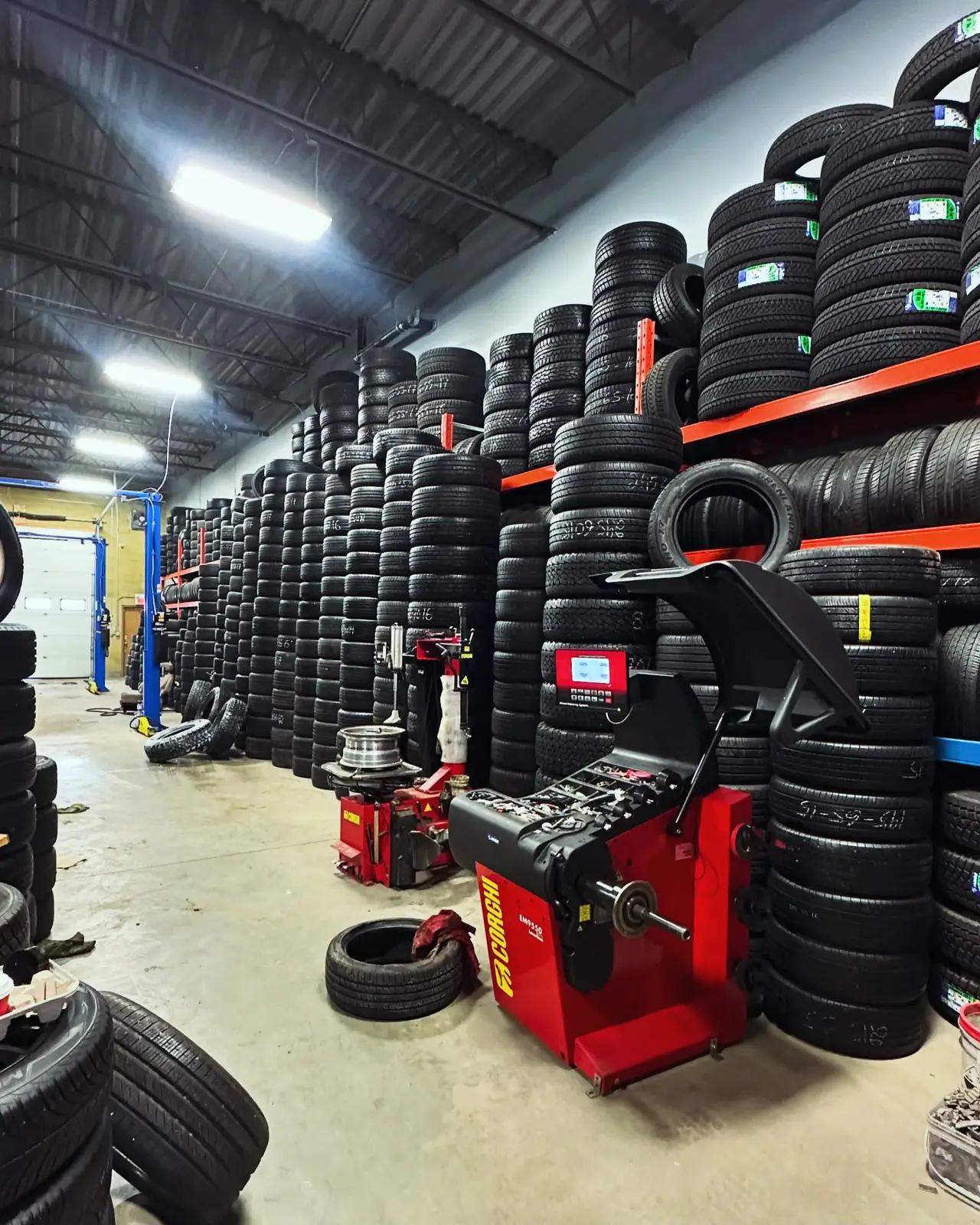
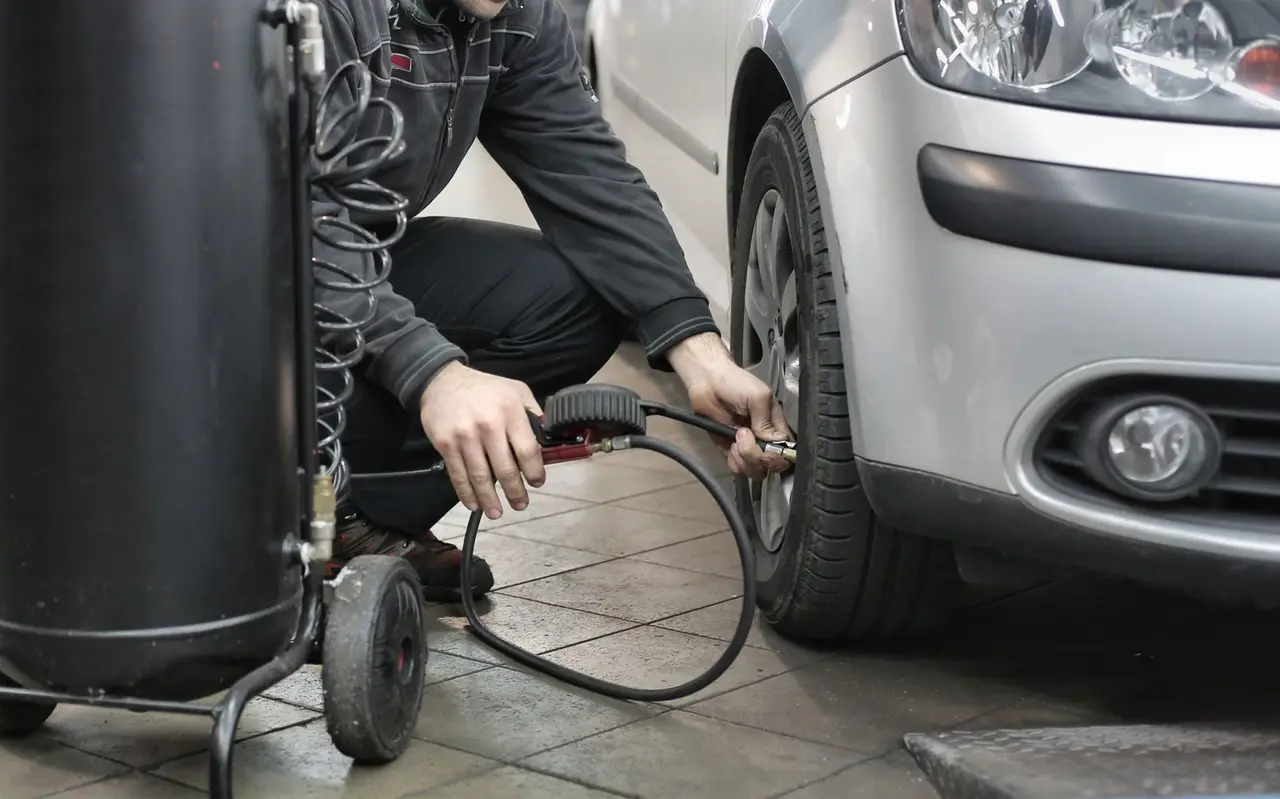
What Our Tire Changeover Service Includes
A changeover at Shah Tires is more than swapping wheels. Every visit includes:
- Tread depth and DOT age check on the set going on
- Inspection for nails, cuts, bulges and sidewall cracks
- On-rim swap, or dismount, mount and balance for off-rim sets
- Pressures set to your door placard for the coming season
- TPMS check, with a relearn explained if your car needs one
- Lug nuts torqued to spec in a star pattern
- Removed set marked by position so it can be rotated next time
The Complete Seasonal Changeover
Two visits a year are the best chance to catch tire trouble early. Each changeover covers:
Tread & age check
Damage inspection
Swap or mount
Balance when needed
Seasonal pressure
Torque to spec
Damage From Pothole Season?
Spring changeovers are when winter's damage shows up. Frozen ruts, curbs hidden under windrows and the first big potholes on Memorial Drive and the Deerfoot ramps leave bent rim lips, sidewall bulges and missing balance weights. We do not sell a road hazard plan, but we do look at every tire and rim as it comes off. If something is not safe, we show you and explain your options, from a tire repair to a replacement.
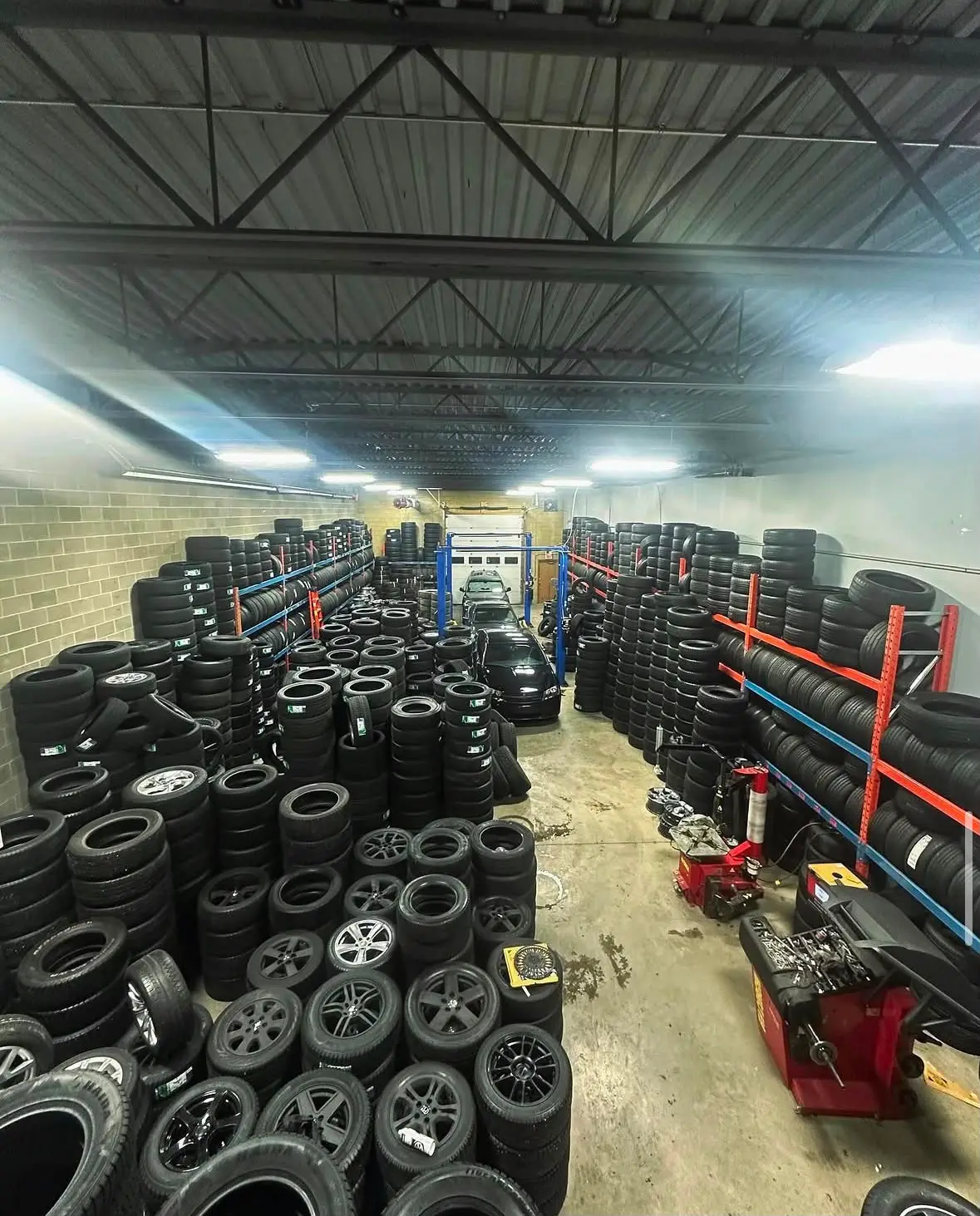
Is Your Off-Season Set Worn Out?
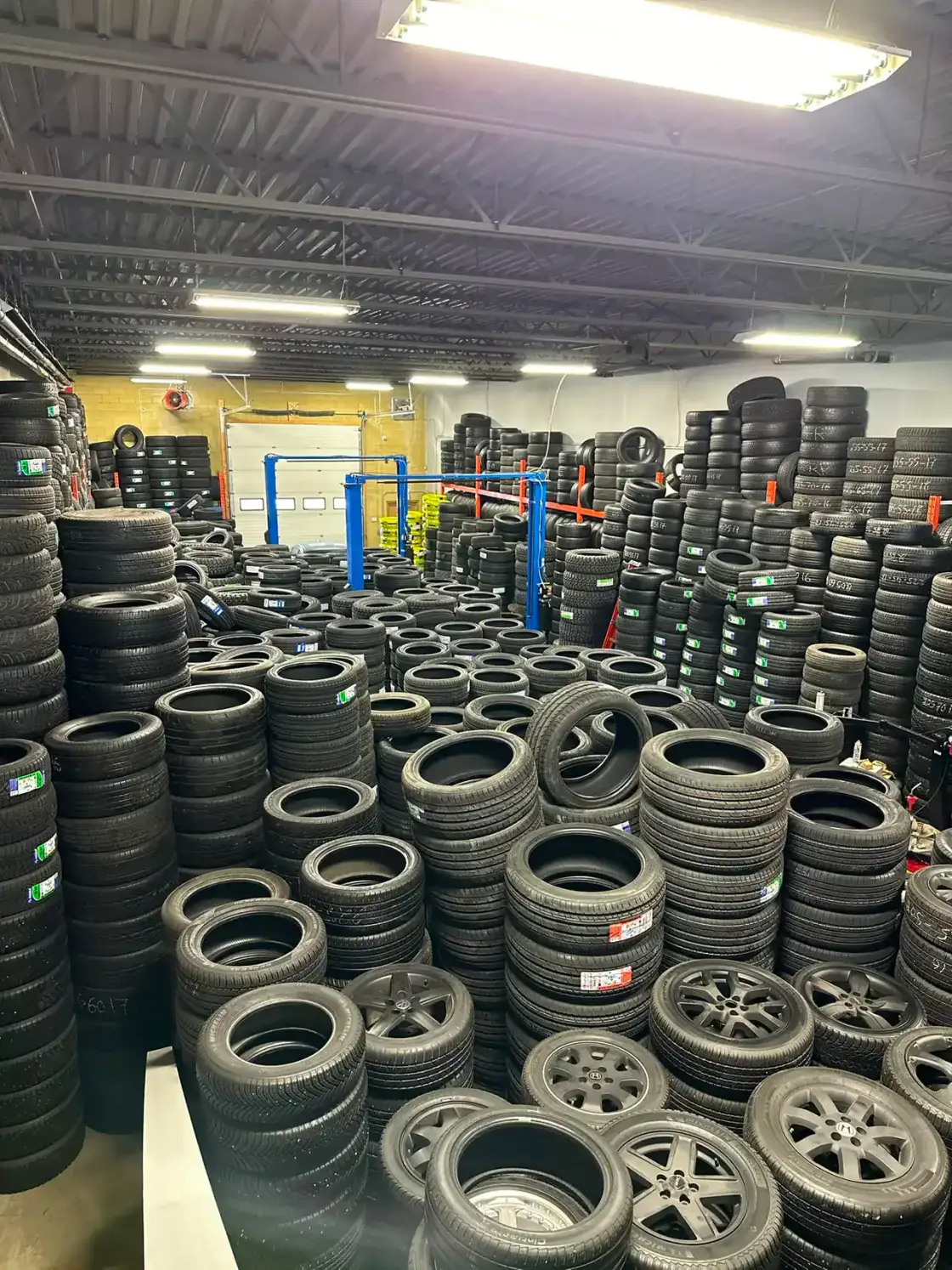
If the tires you brought in will not last another season, we can replace them before they go on.
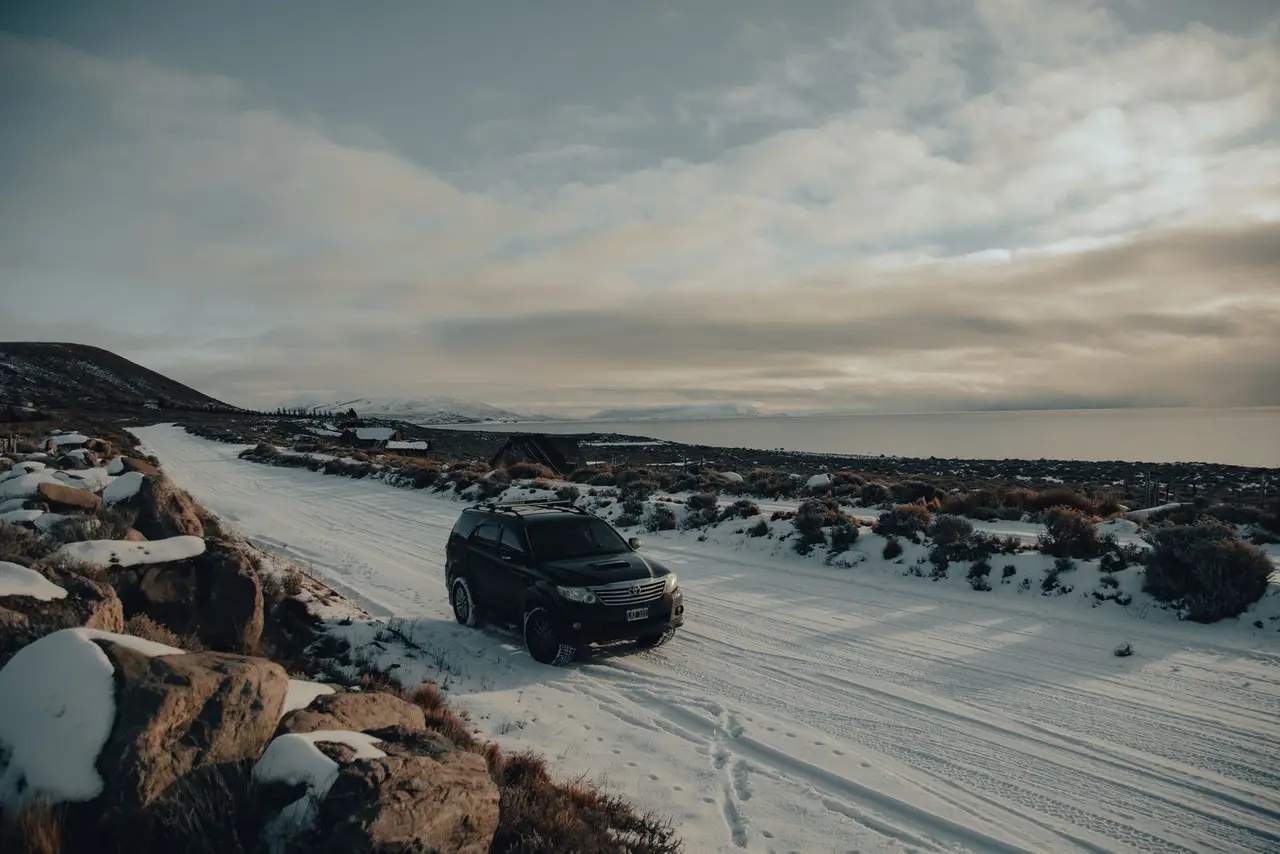
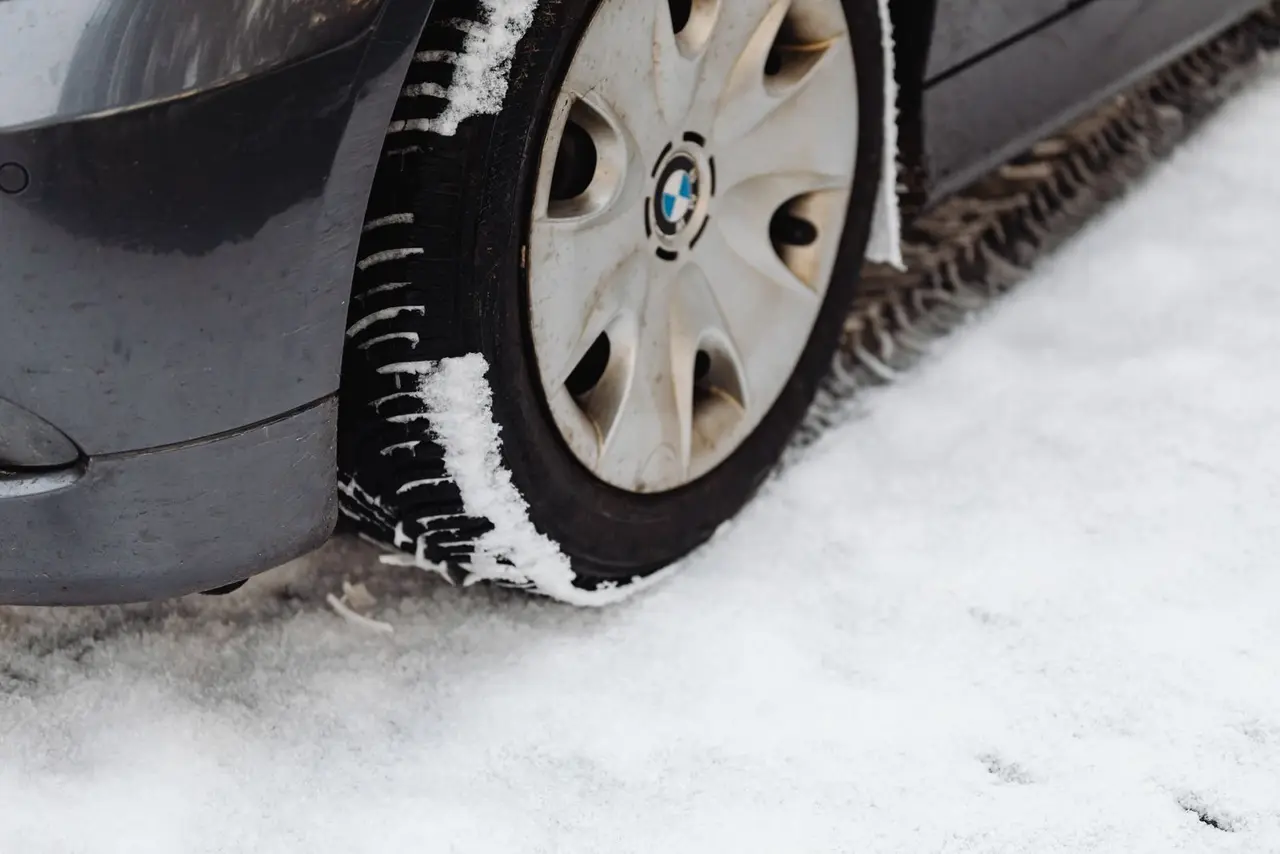
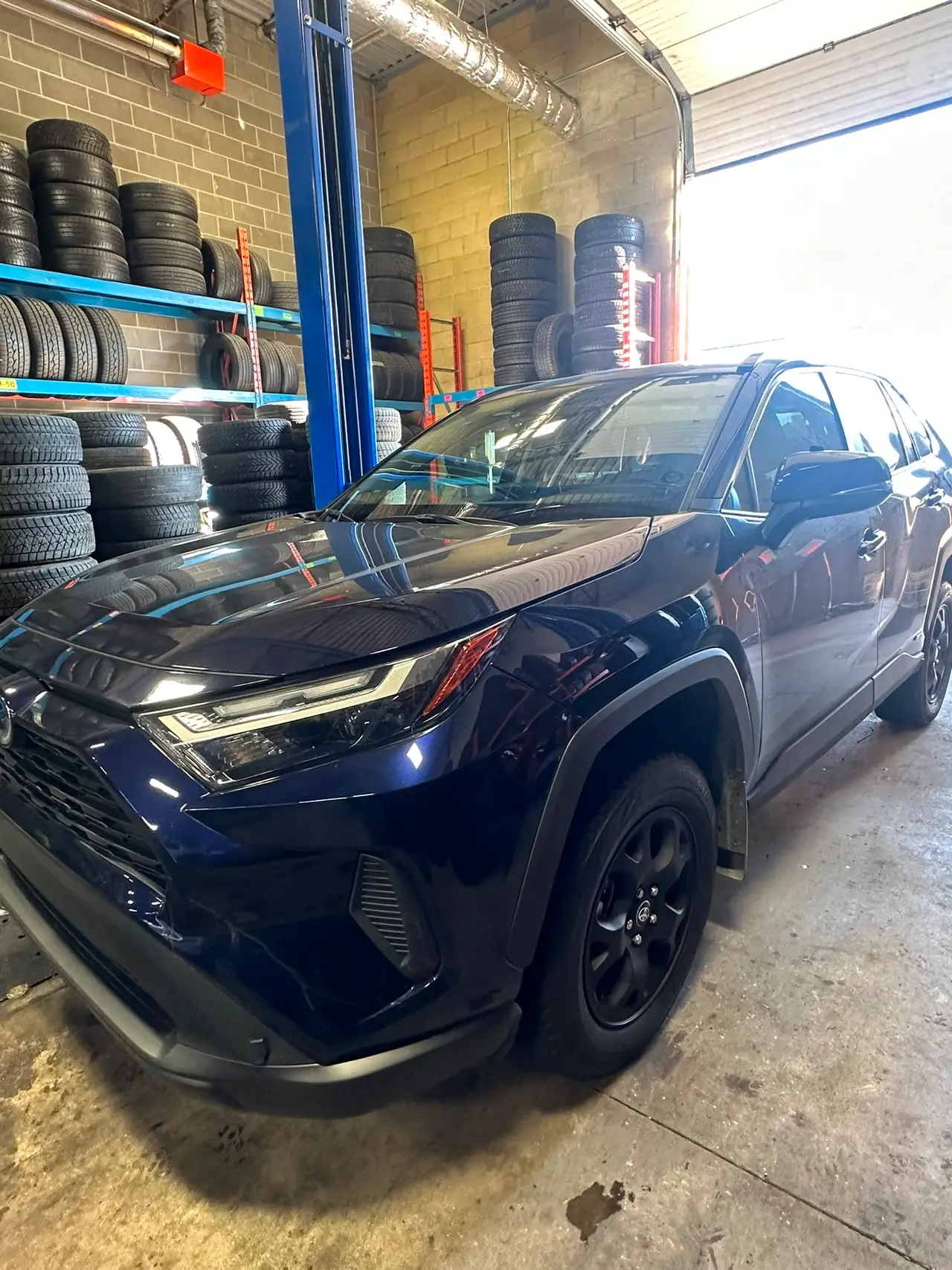
Tire Troubleshooting
Repair & Maintenance
Nails picked up over the season, slow bead leaks and cracked valve stems are fixed before the set goes back in storage.
Installation
Off-rim sets are mounted and balanced; new tires are installed and torqued the same visit.
Inspection
Tread depth, age cracking and uneven wear are measured on both sets, so you know what to budget for next year.
The Safety Risks of Skipping a Seasonal Change
All-season tires start to harden well above freezing, and by -20°C they behave more like hockey pucks than tires. Stopping distances on packed snow and black ice grow sharply, and the first sign is usually a slide through an intersection on McKnight at 7 AM. Leaving winter tires on all summer has its own cost: soft tread squirms in the heat, braking on hot, dry pavement gets longer, and the tires wear out in a fraction of the time. Our post on winter tires in summer has the details.
Flat Tire Change and Repair
A flat is not a seasonal change, but the two often meet. If you put the spare on at the roadside, bring the damaged tire and the car in together. We can usually repair a tread puncture from the inside, rebalance and put the tire back on, then stow the spare. If the flat happened on your winter set, we can often do the repair and the changeover in the same visit.
Why Seasonal Tire Changes Matter in Calgary
Calgary gets snow from September to May, Chinook thaws that turn to black ice overnight, and gravel on every major road. Matching the tire to the season keeps your braking, cornering and traction where the vehicle maker intended. It also stretches the life of both sets, because each one only works in the conditions it was built for. If you would rather skip the twice-a-year routine, all-weather tires with the three-peak mountain snowflake symbol are an honest alternative.
Storing Your Off-Season Tires Between Changes
Six months in a garage or crawl space can age a set faster than six months on the road if they are stored badly. A few simple habits keep them ready for next season:
- Wash off road salt and gravel dust, and let the tires dry completely before bagging them.
- Keep them out of direct sun and away from furnaces, water heaters and electric motors, which give off ozone that cracks rubber.
- Stack tires on rims flat or hang them; stand tires without rims upright and turn them once in a while.
- Write each tire's old position on it with a tire crayon so the set can be rotated when it goes back on.
Why Calgary Drivers Choose Shah Tires for Tire Changes
Changeover season is when rushed shops cut corners. With over 15 years of tire experience, we treat the hundredth car of the week like the first: tread checked, pressures set, lug nuts torqued by hand instead of blasted on with an impact gun. That consistency is a big reason our Google rating sits at 4.8★ from 232+ reviews.
Our Saturday hours help if weekdays are tight, and we are handy for anyone searching "changing tires near me" from Highland Park, Thorncliffe, Huntington Hills or the airport industrial area. Come a week or two before the first snow and you will beat the rush.
Need a New Set Before the Snow?
Financing and payment plans are available on new tires and wheel packages, subject to approval. Ask us for current options.
Frequently Asked Questions
Do you do a seasonal tire change in Calgary on Saturdays?
Yes. We do the seasonal tire change in Calgary Monday to Saturday, 9 to 6. Saturdays in October and April fill up fast, so call (587) 894-3516 first. We are closed on Sunday, so we are not a tire shop open Sunday.
When should I put winter tires on in Calgary?
Most Calgary drivers switch when daytime highs stay below about 7°C, which is usually late September to mid-October. Do not wait for the first storm, because that is when every shop is packed and the roads are at their worst. Changing a week or two early means you are ready when the first snow arrives, with no waiting.
When is it safe to take winter tires off?
Wait until overnight lows stay above freezing and the risk of a spring storm has passed, which in Calgary is often around mid-May. Chinooks bring warm spells in February and March, but winter usually comes back. Taking winters off too early leaves you on hard summer rubber for the next dump of April snow.
What is the difference between a tire swap and a changeover?
A swap usually means your seasonal tires are already on their own rims, so we remove one set of wheels and bolt on the other. A changeover can also mean an off-rim job, where we dismount your tires, mount the other set on the same rims and balance them. The off-rim version takes longer and costs more.
How long does a tire change take?
An on-rim swap of four wheels is usually 30 minutes or less once the car is in the bay. An off-rim changeover is closer to an hour for a typical car, because each tire is dismounted, mounted and balanced. Large truck wheels and low-profile tires add time. The October and April rush adds waiting time, so call ahead.
Do I need to balance my tires at every changeover?
If your tires are on their own rims, balancing is not needed every time, though it is a good idea if you felt a vibration last season. If we are moving tires on the same rims, balancing is always part of the job, because the heavy spots of the tire and rim end up in new positions.
Will my tire pressure light come on after a changeover?
It can. If your winter wheels have no TPMS sensors, the light will stay on all season. If they do, some vehicles need a relearn to recognize the new sensor IDs. Cold weather can also trigger the light as pressures drop. We check the light at the end of every changeover and explain what your car needs. See our TPMS sensor page.
Where can I find a tire change near me in NE Calgary?
Shah Tires is at 227 41 Ave NE, just east of Centre St N, a few minutes from McKnight Blvd, 32 Ave NE, Edmonton Trail and Deerfoot Trail. We do on-rim swaps and off-rim changeovers Monday to Saturday, 9 AM to 6 PM. Call (587) 894-3516 to check how busy the day is before you drive over.
How can I tell if my winter tires are still good?
Check tread depth and age. Winter tires lose much of their snow grip as the tread wears toward 5/32 of an inch, even though they are still legal. Rubber also hardens with age, so look at the four-digit DOT code on the sidewall for the week and year made. We check both at every changeover and give you a straight answer.