
Can You Use Winter Tires in Summer?
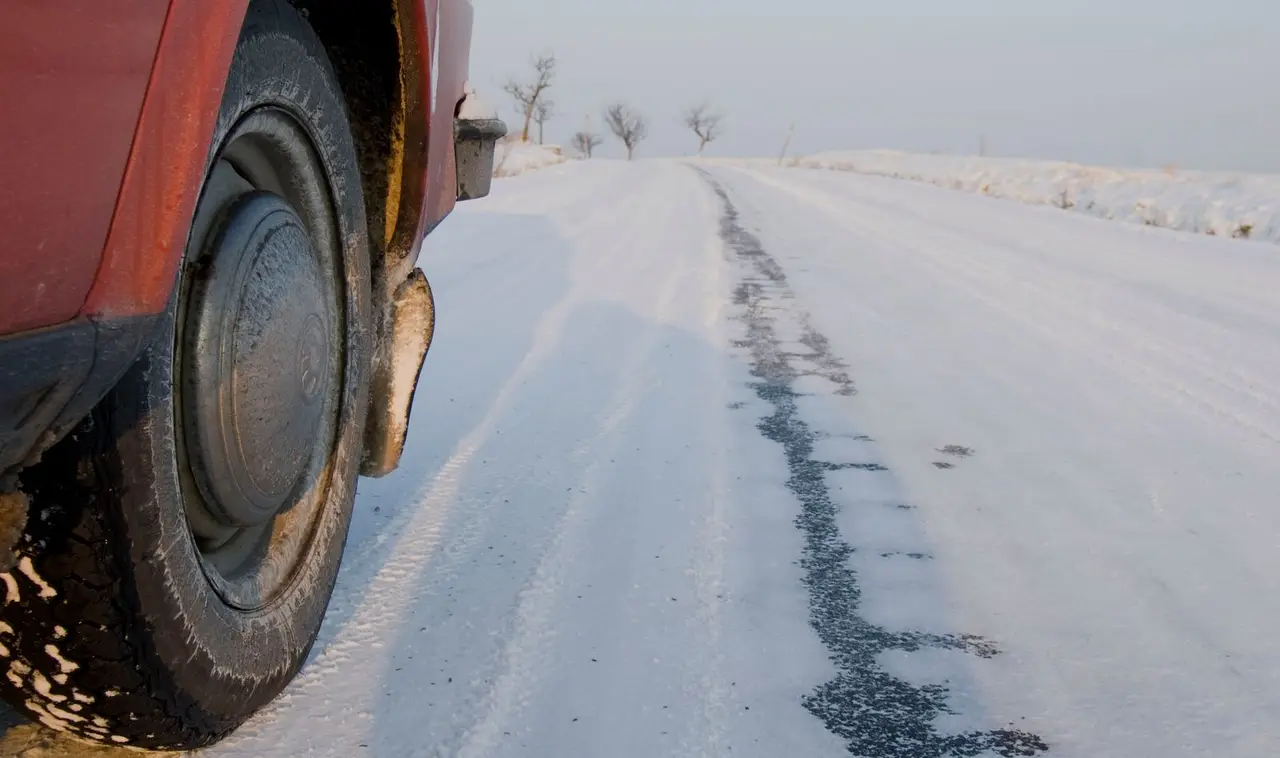
Every June we get the same question at the counter: "Can I just leave my winter tires on?" Legally, yes. Nothing in Alberta stops you from running winter tires in summer. The better question is whether it makes sense for your safety and your wallet. For most drivers it does not, and this post explains why, using what we see in the bay when those tires come off in the fall.
Why Winter Tires Are the Wrong Choice for Summer
Winter tires are designed around cold. Their rubber stays soft and grippy well below freezing, and their tread is cut with deep grooves and hundreds of small slits (sipes) that bite into snow and ice. Those same features become weaknesses once the pavement warms up.
- The compound gets too soft. Rubber built to stay flexible at -30°C turns gummy on a 28°C afternoon.
- The tread blocks move. Tall, siped blocks flex and squirm under cornering and braking loads on dry, hot asphalt.
- They were never tuned for heat. Summer and all-season tires use compounds that stay firm and stable when the road is hot.
The result is a tire that feels vague, stops longer and wears quickly, all during the season when you are most likely to drive long distances to Banff or across the prairies.
What Hot Pavement Does to Winter Tires
On a summer day, the road surface is often much hotter than the air. Here is what that heat does to a tire built for cold:
| Heat effect | What happens to the tire | What you notice |
|---|---|---|
| Softer rubber | The compound softens past its design range | Mushy, delayed steering response |
| Tread block flex | Tall, siped blocks bend and squirm under load | Less precise cornering and lane changes |
| Longer braking | The contact patch deforms instead of gripping firmly | The car takes longer to stop on dry roads |
| Faster wear | Soft rubber scrubs off quickly on hot asphalt | Tread depth drops noticeably in one season |
| More heat build-up | Flexing blocks generate extra internal heat | Higher risk of damage on long highway trips |
| Higher rolling resistance | Soft, deep tread takes more energy to roll | Slightly worse fuel economy |
| More road noise | Aggressive tread pattern hums on smooth pavement | A louder cabin at highway speed |
None of these alone makes a car undriveable. Together, they add up to a car that is less capable in exactly the situations where you want the most grip: a sudden stop on Deerfoot or a quick swerve around debris.
How Winter Tires Handle Summer Rain
People often assume that deep winter tread must be great in rain. It clears slush well, and it does move water, but a warm, wet road is a different problem. The softened compound and flexing blocks reduce the tire's ability to hold a firm contact patch, so wet braking and wet cornering both suffer compared with a good all-season or summer tire.
Calgary's summer storms make this real. A July thunderstorm can dump heavy rain in minutes, pooling water on Stoney Trail and in the underpasses. That is when you want a tire designed for warm, wet roads, not one designed for packed snow.
How Much Faster Do Winter Tires Wear in Summer?
We cannot give you an exact figure, because it depends on the tire, your driving and how hot the summer is. What we can tell you is what we see: winter tires that run through a summer often come off in the fall with a lot less tread than a normal winter would take off them. Sometimes they reach the point where they are no longer good for another winter, which means you have spent a full set of tires to avoid one changeover.
Tread depth matters most on snow and slush, and the deep grooves that make winter tires work are the first thing hot pavement eats. If you want a single tire for all year, look at all weather tires instead. They carry the three-peak mountain snowflake symbol but use a compound built to handle warm days too.
When to Switch Back in Calgary
The usual rule is to switch when daytime temperatures stay above about 7°C, because that is roughly where winter compounds stop having an advantage. Calgary makes it tricky. A Chinook can bring 15°C in March, then a spring storm can drop snow in May. We see plenty of snow on the ground in late April and even into May.
Our advice: wait until the overnight lows are consistently above freezing and the long-range forecast looks settled, which for most years means around mid to late May. Book your spring tire changeover a week or two ahead so you are not waiting when the rush hits; the contact page has our hours and directions. When fall comes, our post on when to put winter tires on in Calgary covers the other end of the season.
The Bottom Line
You can drive on winter tires in summer, but you give up braking, handling and tread life, and you burn through a set of tires that should have lasted several winters. Swap to all season tires or a summer set once the snow risk has passed, store your winters properly, and they will be ready when the first real snow hits in the fall.
If you only want one set, all-weather tires are the compromise worth considering. If you are not sure which suits your driving, read our comparison of all weather vs winter tires or ask us. We would rather help you pick the right tire than sell you the wrong one.
We Can Help With Your Spring Changeover
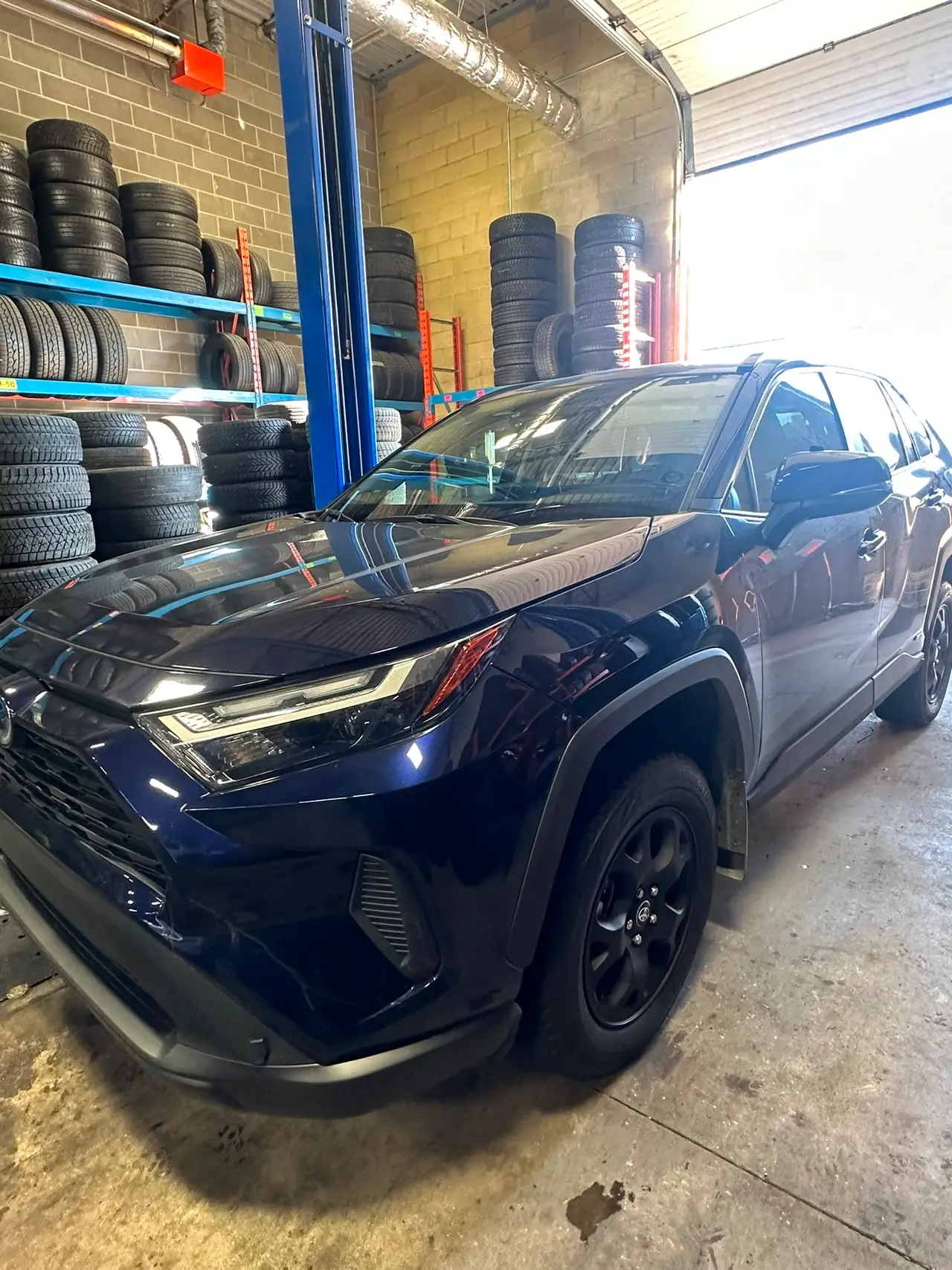
Ready to take the winters off? Call (587) 894-3516 or drive in to 227 41 Ave NE, Monday to Saturday, 9 to 6. We swap, balance and check tread depth on both sets, so you know where you stand before next winter.
FAQ: Winter Tires in Summer
Can I use winter tires in summer?
You can, but it is not a good idea. Soft winter rubber wears fast in the heat and stops longer on warm, dry and wet roads.
Is it illegal to drive with winter tires in summer in Alberta?
No. Alberta does not require you to remove winter tires in the warm months. It is a question of performance and cost, not the law. Winter tires in summer give you longer braking distances, softer handling and much faster wear, so most drivers are better off switching to all-season or summer tires once the snow risk passes.
Will winter tires in summer damage my car?
Not directly. The tires take the damage by wearing out faster and building more heat. The bigger concern is safety: reduced grip and longer stopping distances on hot, dry or wet pavement. Your fuel economy may also drop slightly because soft, deep tread has higher rolling resistance than a summer or all-season tire.
Can I finish off old winter tires in the summer?
Some people do to squeeze out the last bit of tread. If the tires are already too worn for another winter, it saves buying summer tires for a short time. Just remember they will brake and corner worse than a proper warm-weather tire, so drive with extra space, especially in summer rain.
What temperature is too warm for winter tires?
The common guideline is that winter compounds lose their advantage when temperatures stay above about 7°C. Above that, all-season and summer tires grip better and wear more slowly. In Calgary, wait until overnight lows are reliably above freezing as well, because a late spring snowfall is always possible.
Are all-weather tires a good alternative?
For many Calgary drivers, yes. All-weather tires carry the three-peak mountain snowflake symbol for severe snow, but use a compound that can handle warm summer days. They are not as strong as a dedicated winter tire on ice, but they avoid the twice-a-year changeover and do not wear out in the heat the way winters do.
How should I store winter tires over the summer?
Clean them, let them dry and keep them somewhere cool, dark and dry, away from electric motors and fuel. Tires on rims can be stacked or hung; tires without rims are best stored standing up and rotated occasionally. Mark each tire's position so you can rotate them when they go back on in the fall.