
Used vs New Tires: How to Choose
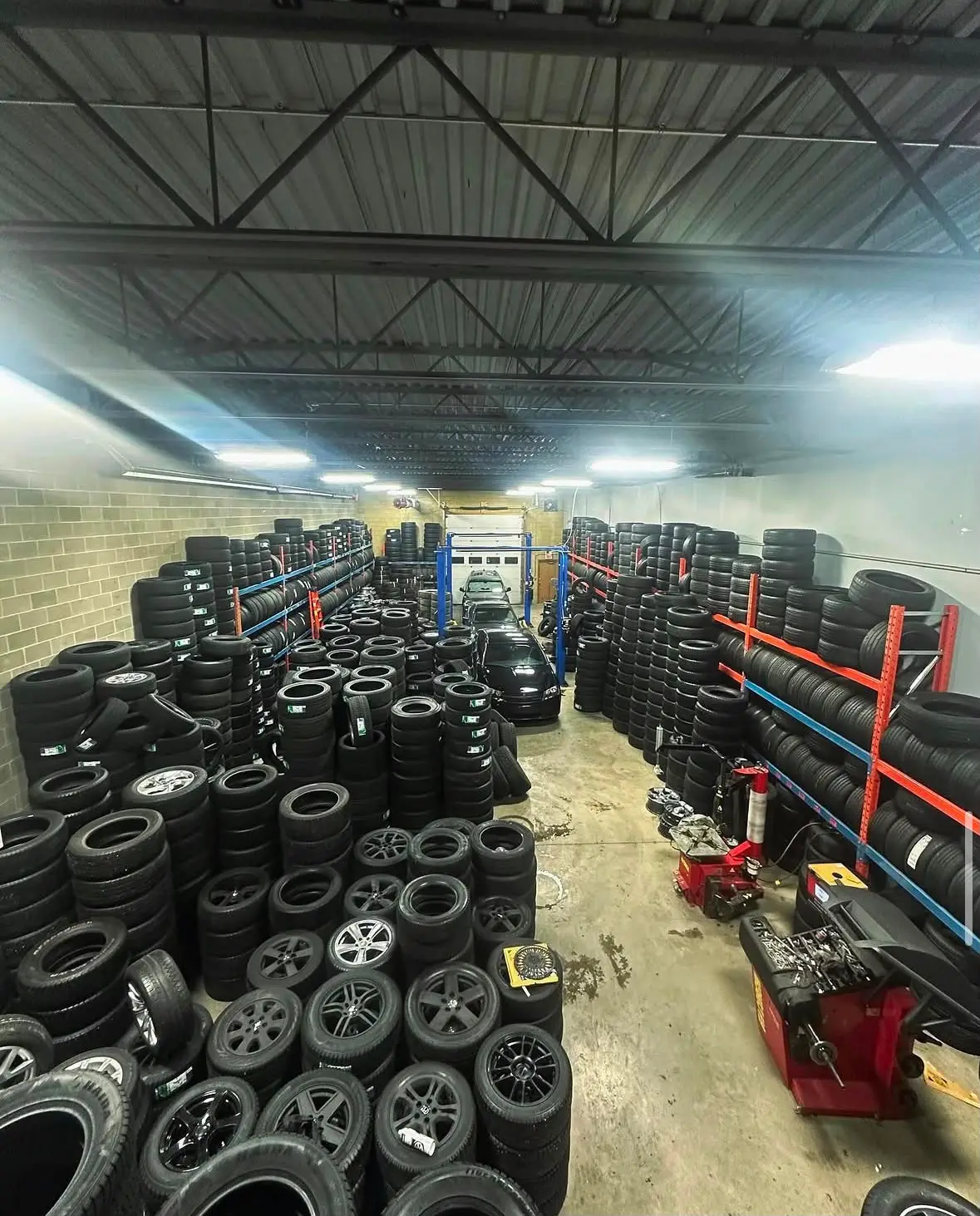
The used vs new tires question comes up at our counter almost every day. We sell both, so we have no reason to push you one way. The honest answer is that a well-inspected used tire can be a smart buy in the right situation, and a poor one can be a real risk. This guide explains what separates a good used tire from a bad one, when new is worth the extra cost, and how Calgary's climate changes the math.
Used vs new tires: the quick comparison
New tires give you full tread depth, a known history and the longest possible service life. Used tires cost less up front, but you are buying a tire that has already used some of its life, and its history is only as good as the inspection behind it.
| Factor | New tires | Used tires |
|---|---|---|
| Tread depth | Full, usually 10/32 to 12/32 inch | Varies; must be measured |
| History | Known, no previous use | Unknown unless inspected |
| Lifespan | Longest | Shorter, depends on tread left |
| Up-front cost | Higher | Lower |
| Best for | Main vehicle, high mileage, highway driving | Second car, short-term needs, tight budgets |
Are used tires safe?
A used tire is safe when it has enough tread, a sound structure and a reasonable age. The danger comes from tires that look fine at a glance but hide problems: an internal belt shift from a pothole, a sidewall plug that should never have been done, or rubber that has aged past its useful life.
That is why where you buy matters. A tire from a private sale or a random pile has no one standing behind the inspection. At our shop, every used tire is checked before it goes on the rack, and we tell you the measured tread depth and age before you commit. Anything with damage we would not trust on our own vehicles gets scrapped.
Tread depth: how much is enough?
Tread depth is the first number to check. New passenger tires typically start around 10/32 of an inch. The legal minimum wear bars sit at about 2/32, but at that point a tire is essentially done, especially in wet or snowy conditions.
For all-season or summer use, we like to see at least 5/32 on a used tire so it still has a useful amount of life. For winter tires in Calgary, aim for 6/32 or more, because winter tread needs depth to grab snow and push slush out of the way. You can check tread yourself with a tread depth gauge, or with a coin as a rough guide.
How to read the DOT code and tire age
Every tire sold in Canada has a DOT code on the sidewall. The last four digits tell you when it was made: the first two are the week and the last two are the year. A code ending in 3222 means the tire was built in the 32nd week of 2022.
Rubber hardens with age, even when a tire sits unused in a garage. Many manufacturers suggest having tires inspected annually after five years and replacing them by around ten years regardless of tread. For a used tire, we generally prefer something only a few years old, since an older tire may have plenty of tread but a compound that has lost much of its grip. Our guide on how to read tire size covers the rest of the sidewall code.
Red flags that rule out a used tire
Some problems mean a tire should never be sold, no matter how much tread it has.
- Bulges or bubbles in the sidewall, a sign of internal damage
- Plugs or patches in the sidewall or shoulder
- Cracking in the sidewall or between tread blocks from age or ozone
- Exposed cords or steel belts
- Signs the tire was driven flat, such as a scuffed ring on the sidewall
- Bead damage from a rough install
When used tires make sense
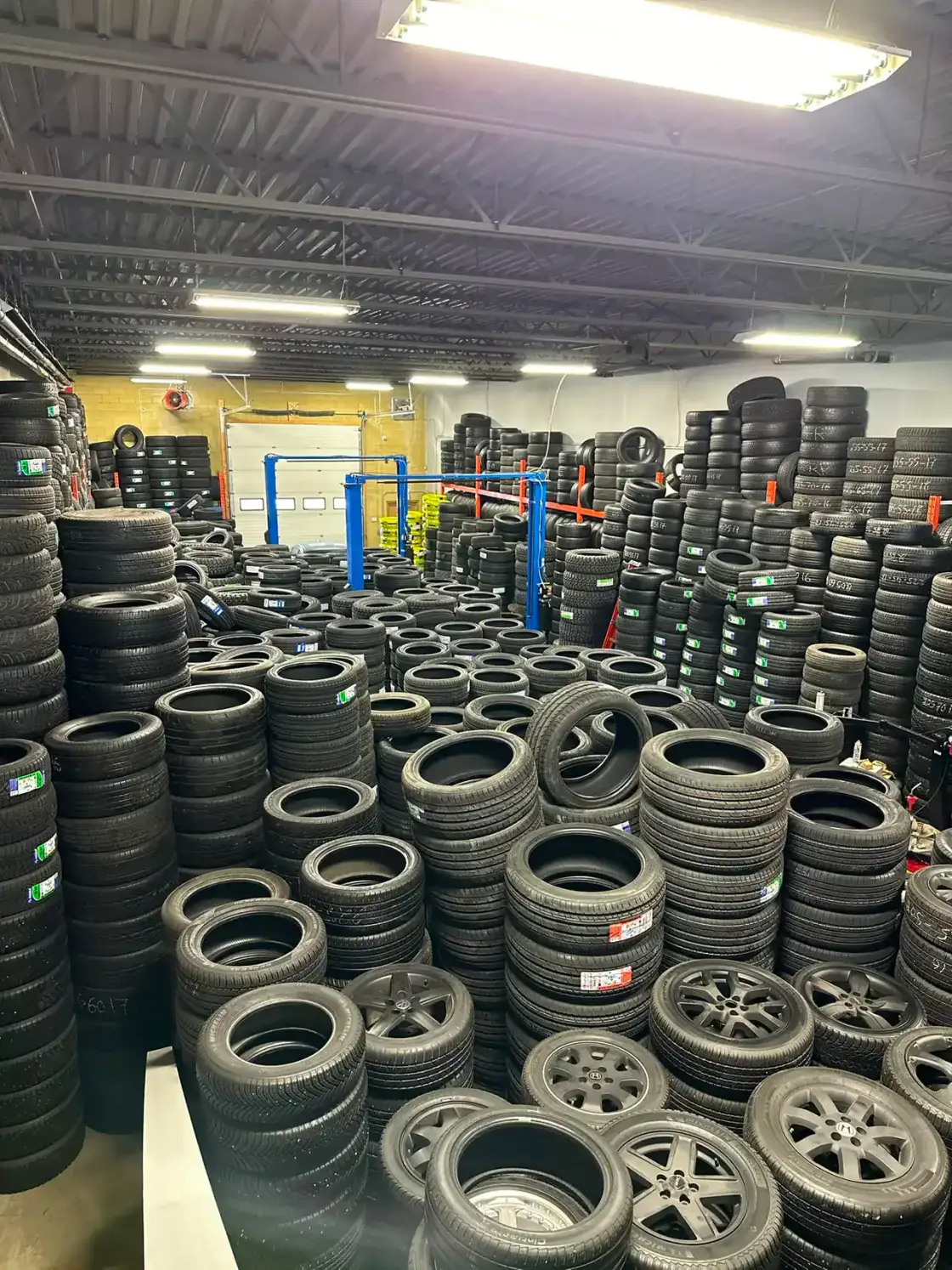
Used tires shine in a few specific situations. If you are selling a car in the next few months and need it safe for inspection and the test drive, a used set is a sensible choice. The same goes for a second vehicle that only runs errands around the neighbourhood, or a winter beater that sees limited kilometres.
They also help when you only need to replace one or two tires to match an existing set. If three of your tires are half-worn, putting one brand-new tire beside them creates a mismatch in diameter and grip. A matching used tire with similar tread can be the better fit, especially on all-wheel-drive vehicles that are sensitive to differences between tires. Browse what we have on our used tires in Calgary page.
When new tires are the better buy
If this is your main vehicle and you drive a lot of highway kilometres, new tires usually win on cost per kilometre. A new tire with full tread lasts far longer than a used one with half its tread gone, so the savings up front can disappear quickly.
New is also the smart choice for heavier vehicles, towing, performance cars with specific tire requirements, and anyone who regularly drives to the mountains. A long winter run to Banff on the Trans-Canada is not the place to discover a used tire's hidden history. Our new tires in Calgary include value-focused brands that keep the cost reasonable, and our cheap tires page explains how to save without compromising safety.
The Calgary factor
Our climate adds another layer to the used vs new decision. Potholes during spring thaw and gravel on major roads cause hidden damage that a quick glance will not reveal. Freeze-thaw cycles and sun exposure at altitude age rubber faster. And a long winter means tread depth matters more here than in milder cities. Whatever you choose, make sure someone who knows tires looks at them first.
Not Sure: Used or New? Ask Us
We sell both, so we will give you a straight answer for your car and budget.
FAQ
Are used tires worth it?
Used tires are worth it when they have plenty of tread, no damage and a reasonable age, and when your needs are short-term or budget-driven. They suit second vehicles, cars you plan to sell and single-tire replacements. For a main vehicle with high highway mileage, new tires usually cost less per kilometre over their lifetime.
How old is too old for a used tire?
Many manufacturers recommend annual inspections once a tire passes five years and replacement around ten years, even with good tread. For used tires, we prefer ones only a few years old. Check the last four digits of the DOT code on the sidewall: the first two are the week, the last two are the year.
What tread depth should a used tire have?
For all-season use, look for at least 5/32 of an inch so the tire still has useful life. For winter tires in Calgary, aim for 6/32 or more, because winter tread needs depth to grip snow and clear slush. The legal wear bars at about 2/32 are a bare minimum, not a target.
Can I mix a new tire with used tires?
You can, but it is not ideal. A new tire has a larger diameter than worn ones, which affects handling and can strain the drivetrain on all-wheel-drive vehicles. A used tire with similar tread depth to the others is often a better match. At minimum, put the two newest tires on the rear axle.
How do you inspect used tires?
We measure tread depth across the tire, read the DOT date code, and look inside and out for bulges, cracks, cuts, bead damage and previous repairs. Tires with sidewall plugs, signs of being driven flat or exposed cords are scrapped. You hear the measured tread depth and age before you decide to buy.