
How to Read Tire Size and Every Marking on the Sidewall
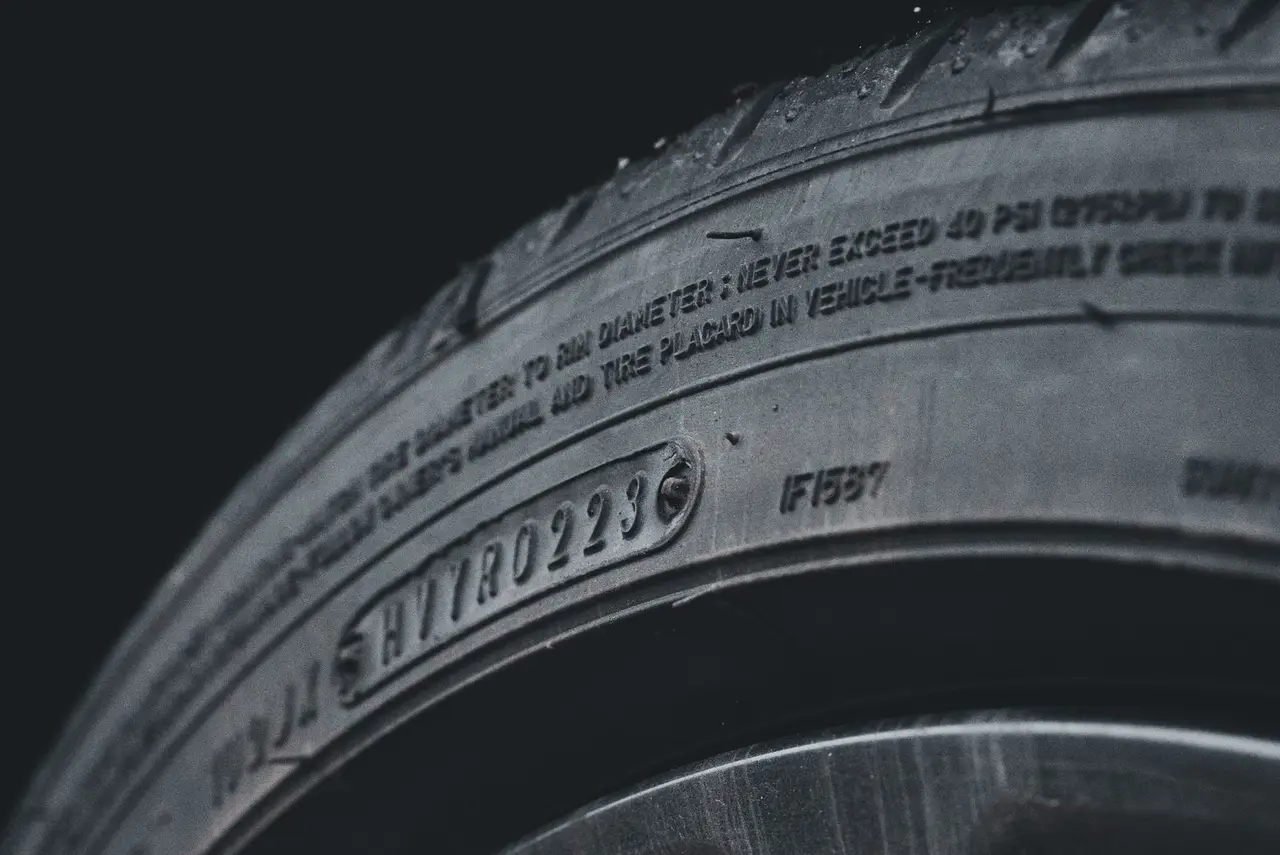
Knowing how to read tire size saves you a lot of back-and-forth when you call a shop. The sidewall tells you the width, profile, construction, rim size, load capacity, speed rating, age and what season the tire was built for. We will use 225/65R17 102H, a common SUV size we stock, as our example.
How to Read Tire Size: The Main Code
The big string of characters is the size code. Each piece means something specific.
Width (225)
The first number is the tire's width in millimetres, from sidewall to sidewall, when mounted and inflated. Wider tires put more rubber down on dry pavement, while a slightly narrower tire often cuts through snow better. That is why some Calgary drivers choose a narrower winter tire on a smaller rim.
Aspect Ratio (65)
The number after the slash is the sidewall height as a percentage of the width. Here it is 65 percent of 225 mm, about 146 mm. Low numbers such as 40 mean short, stiff sidewalls. They look sharp but leave less cushion when you hit a spring pothole on Deerfoot, so bent rims and sidewall bubbles are more common.
Construction (R)
R means radial, which is how nearly every modern car and light-truck tire is built. You may see a D for bias-ply on some trailer tires, but on your car it will be R.
Rim Diameter (17)
This is the wheel diameter in inches, and it must match your rim exactly. If you are buying a second set of wheels for winter, rim size is one of the first things we confirm, along with bolt pattern and offset. Our rims in Calgary page covers the rest.
Load Index (102)
The load index is a code for the most weight each tire can carry at its maximum pressure. Never fit a lower number than your vehicle calls for.
| Load index | Max load per tire |
|---|---|
| 91 | 615 kg |
| 94 | 670 kg |
| 98 | 750 kg |
| 100 | 800 kg |
| 102 | 850 kg |
| 104 | 900 kg |
| 107 | 975 kg |
| 110 | 1,060 kg |
| 115 | 1,215 kg |
Speed Rating (H)
The letter is the maximum sustained speed the tire is built for. Winter tires often carry a lower rating than the original tire, which is usually accepted for winter use, but check your owner's manual.
| Speed rating | Max speed |
|---|---|
| Q | 160 km/h |
| R | 170 km/h |
| S | 180 km/h |
| T | 190 km/h |
| H | 210 km/h |
| V | 240 km/h |
| W | 270 km/h |
| Y | 300 km/h |
The DOT Code and Your Tire's Age
Look for the letters DOT followed by a string of characters, often on one side of the tire only. The last four digits are the build date: the first two are the week, the last two the year. A code ending in 1424 was made in the 14th week of 2024.
Age matters as much as tread. Rubber hardens over time, and a hard tire grips poorly in the cold. Many manufacturers suggest yearly inspections once a tire is five years old. It is the first thing we check on any used tire, as our guide on used vs new tires explains, and a big part of how long tires last in Calgary.
M+S vs the Three-Peak Mountain Snowflake
M+S (mud and snow) describes the tread pattern. Many all-season tires carry it, and it does not mean the tire has passed any snow test. The three-peak mountain snowflake (3PMSF) symbol means the tire met an industry snow traction standard. Every true winter tire has it, and so do all-weather tires such as the Habilead ClimateMaster 4S we stock.
For a Calgary winter, look for 3PMSF. See winter tires in Calgary for dedicated options, or all weather tires if you want one set all year. Still deciding? Read all-weather vs winter tires.
UTQG Ratings: Treadwear, Traction and Temperature
Many passenger tires carry a Uniform Tire Quality Grading line. It is a U.S. standard, so winter tires and LT tires usually do not have it. Use it to compare tires within one brand rather than across brands.
Treadwear
A number such as 500 compares expected wear against a reference tire. Higher usually means longer life, but each maker grades its own tires, so treat it as a rough guide.
Traction
Graded AA, A, B or C, this measures straight-line braking on wet pavement. It says nothing about snow, ice or cornering.
Temperature
Graded A, B or C, this shows how well the tire resists heat build-up at speed. It matters more on a hot July run to the mountains than in January.
Other Markings Worth Knowing
- LT or P prefix: LT means light truck, with a load range such as C, D or E. If your truck came with LT tires, replace them with LT tires. See truck tires.
- XL or Reinforced: an extra-load passenger tire that carries more weight at a higher pressure.
- Max. press.: the most pressure the tire can hold, not what you should run. Use your door-jamb placard, and expect the TPMS light in cold weather when temperatures drop.
- TWI or a small triangle: marks where the tread wear bars sit in the grooves.
- Rotation arrow: directional tires must turn one way.
- Ply and material info: what the carcass and tread are made of.
How to Use This When You Buy Tires
Start with the placard in the driver's door jamb, not just the tires that are on the car now, since a previous owner may have changed sizes. Note the full code, including load index and speed rating, and check both axles on staggered cars. Then decide on the season: winter plus all-season, or one all-weather set. With the full code, we can quote you accurately on the phone.
- Read the placard in the driver's door jamb and write down the full size, load index and speed rating.
- Compare it with the sidewall of the tires on the car now, front and rear.
- Check the DOT date on your current tires, and on any used set you are considering.
- Choose the season and look for 3PMSF if the tires will see a Calgary winter.
- Contact us with the size, or send a clear photo of the sidewall.
We Can Help You Find the Right Size
Not sure what your sidewall is telling you? Send us a photo or drive in to 227 41 Ave NE, Monday to Saturday, 9 to 6. We will read it with you and show you what fits.
FAQ: How to Read Tire Size
What size tires do I need?
Check the sticker in the driver door jamb or your owner's manual. Match it on your current tires by reading the tire sidewall.
How do I read a tire sidewall?
Here is how to read a tire sidewall: find the size code such as 225/65R17. Then find the load and speed rating, and the DOT date code.
Are these sizes the same for passenger car tires and truck tires?
Passenger car tires usually start with P or no letter. Light truck tires start with LT and have a load range. Do not mix the two types on one vehicle.
What does 225/65R17 mean on a tire?
225 is the width in millimetres, 65 means the sidewall height is 65 percent of the width, R means radial construction and 17 is the rim diameter in inches. It is a common size for compact and mid-size SUVs. The numbers and letter that follow, such as 102H, are the load index and speed rating.
Can I put a different tire size on my car?
Sometimes, but it needs care. The overall diameter should stay close to the original so the speedometer, ABS and stability control work properly, and the load index must match or beat the original. Minus-sizing for winter is common in Calgary. Check with a tire professional before you change sizes.
How do I tell how old my tires are?
Find the DOT code on the sidewall and read the last four digits. The first two are the week and the last two are the year it was made, so 3823 means the 38th week of 2023. The full code is sometimes on the inner sidewall only, so check both sides if you cannot find it.
Is M+S good enough for a Calgary winter?
M+S only describes the tread pattern, and many all-season tires carry it. It does not mean the tire passed a snow traction test. For Calgary, look for the three-peak mountain snowflake symbol, which appears on real winter tires and on all-weather tires built for snow.
Does speed rating matter for winter tires?
Winter tires often have a lower speed rating than the tires your vehicle came with, and most manufacturers accept that for winter use. Check your owner's manual to be sure. For all-season or summer replacements, match or exceed the original rating so the car handles the way it was designed to.
Why don't my winter tires have a UTQG rating?
UTQG is a U.S. grading system that applies to most passenger tires, but winter tires and light-truck tires are generally exempt. That is normal and says nothing about quality. For winter tires, the three-peak mountain snowflake symbol, tread depth and DOT date tell you far more.